
Product photography pricing depends on three things: how many images you need, how hard the product is to shoot, and who shoots it. This guide gives you typical rates, the prices studios publish as of October 2026, the line items that push a quote up, what food shoots cost, and how AI compares, so you can set a budget before you ask anyone for a quote.
In this guide
- How much does product photography cost?
- How photographers charge
- Prices studios publish
- What drives the price
- Food photography pricing
- What to look for in a photographer
- How to lower the cost
- AI vs a photographer: the cost difference
- FAQ
How Much Does Product Photography Cost?
There is no single price, but the ranges are well established. Fash, a photographer booking network, puts product photography at $35 to $170 per image, with the gap explained by setup time, lighting, editing and post-production. Experience moves the price most:
| Photographer | Per hour | Per finished image |
|---|---|---|
| Less experienced | $25-$100 | $25-$50 |
| Professional | $100-$300 | $75-$350 |
Creative shoots built around a concept, a set or a location are usually billed by the day instead. Picsera puts those at $500 to $3,000 for a day of photography, before location, set and backdrop costs.
In practice: simple white-background catalog images sit at the low end, styled lifestyle images in the middle, and on-model or campaign images at the top.
How Product Photographers Charge
Per Image
Common for catalog and white-background work. Easy to budget, but ask what counts as one image: each angle, each colour variant and each crop may be billed separately.
Per Hour, Half Day or Day
Common for lifestyle, model and creative shoots. Setup, lighting changes and styling all use paid time, so a short shoot is not always cheaper per image than a full day.
Packages
A fixed bundle: a set number of images, time on set and basic editing. Good when you know exactly what you need.
Memberships
Some studios sell memberships that remove booking fees or order minimums and discount add-ons. They pay off if you shoot several times a year.
On top of the photographer's fee, a quote can include models, stylists, hair and makeup, props, studio or location hire, retouching, usage rights, rush delivery and shipping your products to a remote studio. Ask for these as separate lines so you can compare quotes fairly.
Prices Studios Publish (as of October 2026)
A few studios list their prices publicly. These are the figures on their own pricing pages as of October 2026; check the pages before you book, because prices change.
| Studio or service | Published price |
|---|---|
| Soona photos and video | $39 per photo, $93 per video clip. Non-members pay a $149 studio pass per booking; memberships start at $13 a month billed annually. |
| Soona talent and styling | Hand model $79 per hour, full-body model $159 per hour, styling $149 per hour, hair and makeup $299 per model |
| Squareshot product shoots | From $50 per image, or $750 for a 2-hour shoot; $1,125-$4,450 a day |
| Squareshot model shoots | From $95 per image, or $2,950 for a 4-hour shoot; $7,450 a day with a Squareshot model, including casting, fitting and paperwork |
| Pixelz retouching | From $0.95 per image on the $95 a month Professional plan |
Local freelancers often quote below remote studios for simple work and above them for complex sets, so get at least three quotes for the same shot list. If you are weighing studios against each other, our Soona alternatives roundup and Caspa vs Soona comparison go further.
What Drives Product Photography Prices
- Product difficulty. Reflective, transparent, tiny or very large products need special lighting, more setup time or focus stacking. Jewelry, glassware and electronics with screens cost more than boxed goods.
- Number of products and images. More items mean more setup, but many photographers discount larger orders.
- Image type. White-background catalog shots are the cheapest; styled lifestyle scenes cost more; on-model shots add talent, styling and approvals.
- Experience and location. Photographers with strong portfolios charge more, and so do those in cities with high operating costs.
- Models, stylists and props. Talent is usually billed by the hour plus a usage fee, and props and backdrops are passed on to you.
- Editing. Basic cleanup is often included; background removal, compositing and detailed retouching may not be.
- Usage rights. Some quotes include commercial use; others license images by channel and duration, and charge more for ads, packaging or print.
- Turnaround and reshoots. Rush delivery costs extra, and a reshoot is normally billed unless the error was the photographer's.
Food Photography Pricing
Food shoots usually cost more than product shoots of a similar size, because more people and preparation go into each frame.
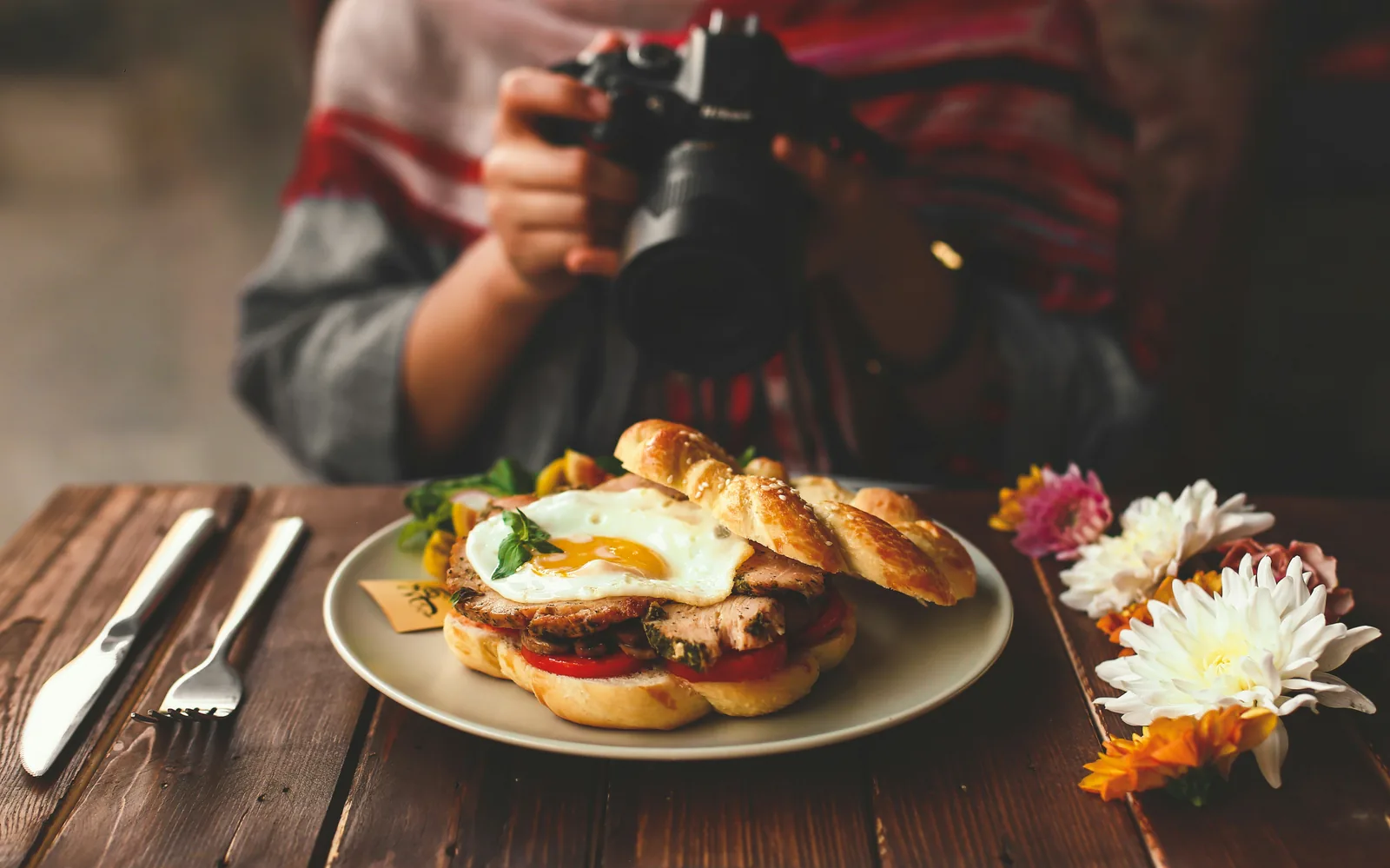
Why Food Photography Costs More
- Pre-production: brand research, a concept, mood boards and a shot list, and sometimes recipe testing for new dishes.
- A bigger team: food stylists, prop stylists and assistants, sometimes an art director.
- Props and ingredients: plates, linens and backdrops have to be sourced, and ingredients are bought fresh, often in duplicate.
- Time per setup: food wilts, melts and dries out, so dishes are restyled or remade between takes.
- Post-production: colour, texture and blemish retouching can take as long as the shoot.
How Food Photographers Price
Expect a package (a set number of images, time on location, basic editing and some styling), an hourly rate for small jobs, or a day rate of six to eight hours for menus and campaigns. Licensing for menus, packaging or advertising may be included or charged separately, and ingredients, props, kitchen hire and stylists are usually passed through at cost. For reference, Soona lists styling at $149 per hour and grocery shopping at $79 plus the cost of goods, as of October 2026.
How to Lower Food Photography Costs
- Plan for one day: an extra half day for one more dish raises the cost per photo sharply.
- Split the shot list into must-haves and nice-to-haves, and shoot the nice-to-haves only if time allows.
- Keep setups simple and change backgrounds and props as rarely as possible.
- Have your own chef prepare dishes, guided by the photographer, instead of hiring a full styling team.
- Hire a food specialist. A generalist may be cheaper per hour but slower per usable image.
For shooting food products yourself, see our food product photography guide.
What to Look For in a Product Photographer
- A portfolio with products like yours, not only portraits or weddings.
- True-to-life colour and consistent lighting from image to image.
- Delivery to your channels' specs: white backgrounds, sizes and file formats for each marketplace. Our marketplace image requirements pages list the current rules.
- Front, back, side and detail angles in the base price, and lifestyle shots priced clearly.
- Usage rights, revision rounds and the reshoot policy written into the quote.
- A turnaround time that fits your launch date.
Our guide to ecommerce product photography services covers how to brief and compare them.
How to Lower the Cost of Product Photography
- Write a shot list. List every product, angle and style you need, and send it before the shoot. A prepared shoot uses fewer billable hours.
- Know where each image will go. Website, Amazon, social and print need different orientations and backgrounds. Ask for every crop in one session instead of booking a reshoot.
- Batch by setup. Shoot all white-background items together, then all lifestyle scenes, so lights and sets change as few times as possible.
- Have products ready. Unboxed, cleaned, steamed and labelled, with spares in case one is damaged.
- Have a decision maker on set. Someone who knows the brand should approve images as they are shot.
- Shoot the simple images yourself. Clean white-background photos are achievable at home with a window and a phone; see our DIY product photography setup and how to take product photos guides.
AI vs a Photographer: How the Costs Compare
A photographer charges for every image and every scene. At the published rates above, 20 product images at Squareshot start at $1,000 and 20 on-model images at $1,900, before minimums and add-ons; 20 photos at Soona cost $780, plus the $149 studio pass for non-members, with models billed by the hour. A new season or a new background means a new shoot.
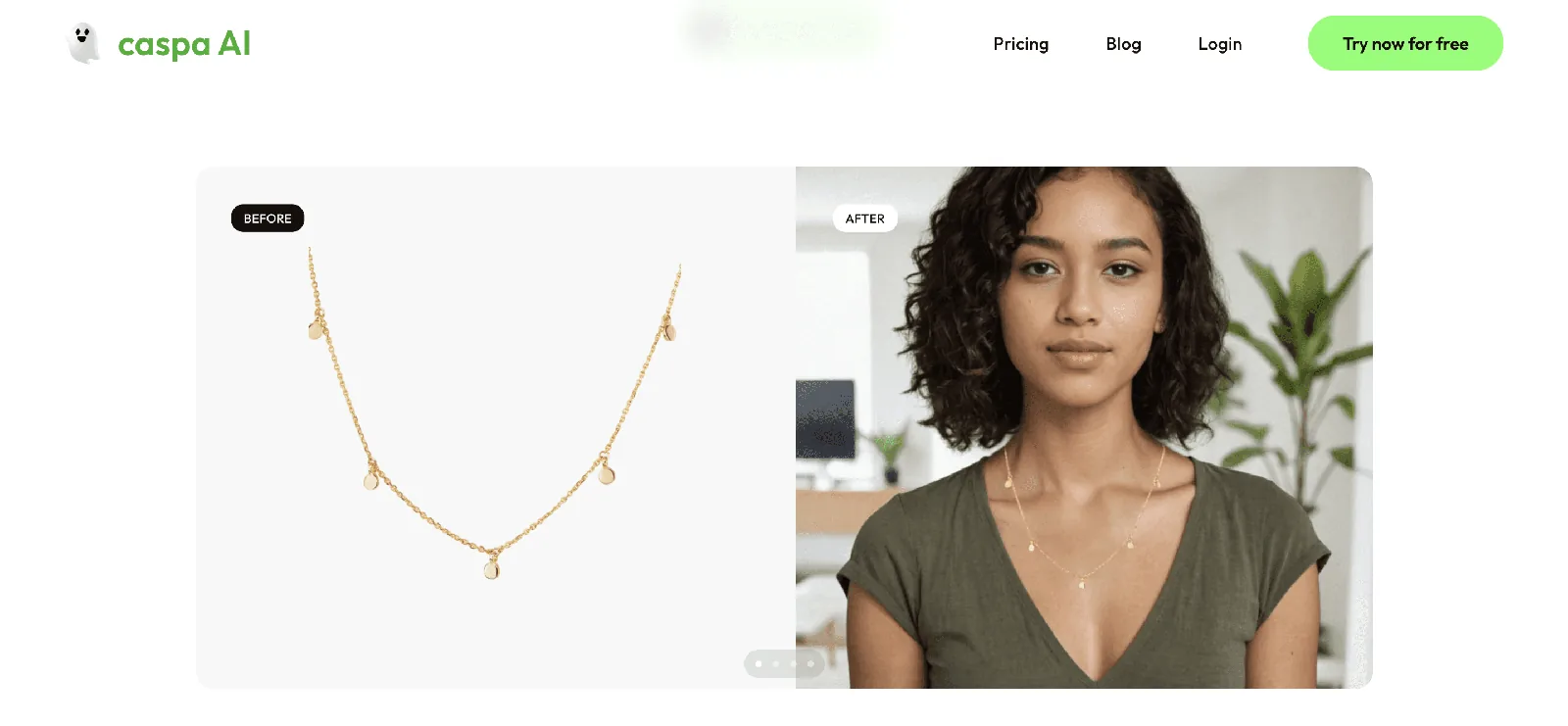
An AI tool charges for the month. Caspa's Starter plan costs $59 a month ($39 a month billed yearly) for 500 credits of image generation; Growth costs $99 a month ($66 billed yearly) for 1,000 credits and adds video. You upload one photo of a product, and Caspa keeps the product unchanged while generating studio, lifestyle, flat lay and on-model scenes around it, so a new background or a seasonal version is another generation rather than another booking.
Where each one fits:
- Hire a photographer for brand campaigns, products whose texture or colour must be exact, complex sets and anything with real people using the product in motion.
- Use AI for lifestyle and on-model variations, seasonal refreshes, ad tests and large catalogs where per-image fees add up.
- Combine them: one clean, well-lit photo per product, taken by you or a photographer, is the input that makes AI results look right.
Our AI vs traditional product photography comparison covers quality and workflow as well as cost, and the Caspa pricing page lists every plan.
Frequently Asked Questions
How much does product photography cost per image?
Fash's ranges run from $25 to $50 per image for less experienced photographers to $75 to $350 for experienced professionals. As of October 2026, Soona lists $39 per photo and Squareshot lists product shoots from $50 per image and model shoots from $95 per image. Complex products, styling and models push the price up.
How much do product photographers charge per hour?
Fash puts less experienced photographers at $25 to $100 per hour and professionals at $100 to $300 per hour. Hourly billing is common for lifestyle and model shoots, where setup and styling take up a large share of the time.
What is a typical day rate for product photography?
Creative shoots billed by the day run roughly $500 to $3,000 according to Picsera, before location and set costs. As of October 2026, Squareshot lists product shoot days at $1,125 to $4,450 and model shoot days up to $7,450 including casting.
Why is food photography more expensive than other product photography?
Food shoots need more people and preparation: food and prop stylists, fresh ingredients, props and sometimes a kitchen. Food also wilts and melts, so dishes are restyled between takes, and retouching takes longer. Many food photographers also charge licensing fees for menus, packaging and ads.
Are usage rights included in product photography pricing?
Not always. Some photographers include commercial use for your website and listings; others license images by channel and duration and charge more for advertising, packaging or print. Agree on the usage in writing before the shoot, especially when models appear in the images.
Is AI product photography cheaper than hiring a photographer?
For lifestyle scenes, on-model variations and large catalogs, usually yes, because a subscription covers many images while a photographer bills per image or per day. Caspa plans start at $59 a month, or $39 a month billed yearly. You still need one clean photo of each product, and a photographer is still the better choice for brand campaigns and complex sets.
Get Lifestyle and Model Shots Without Booking a Shoot
If your budget covers clean product photos but not a model shoot or a styled set, upload one photo of each product to Caspa and generate the lifestyle, flat lay and on-model images your listings and ads need. The product stays unchanged in every scene.
Every new account gets 10 free credits, no credit card required, and paid plans come with a 30-day money-back guarantee.