
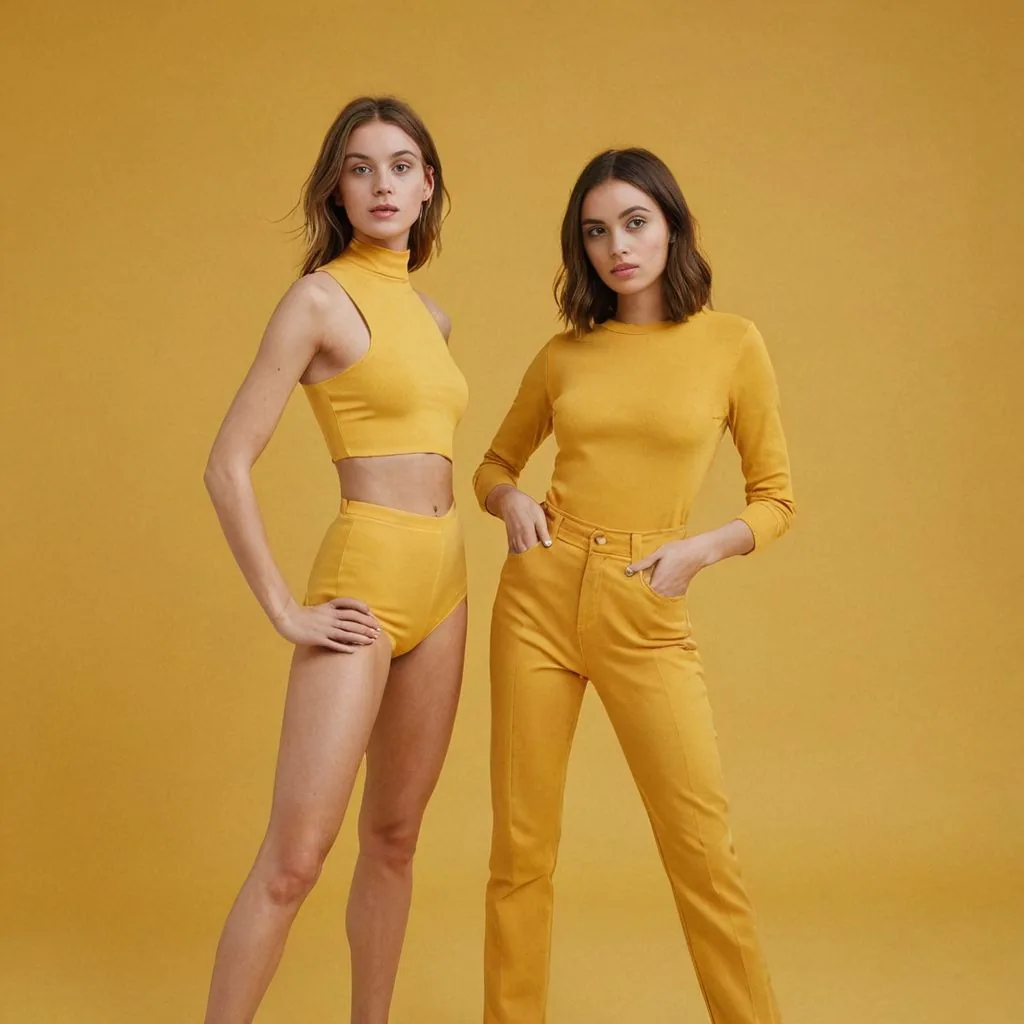
Product photography is more than just an image; it’s a crucial element in capturing attention, conveying brand value, and ultimately converting viewers into customers. As visual trends and technology progress, brands face a key question: should they rely on traditional product photography, or is AI-powered product photography a better fit for their needs?
Both AI and traditional product photography have their strengths and limitations. Understanding the differences, as well as the potential impact on brand identity, efficiency, and cost, can help you make an informed decision for your business. In this post, we’ll break down the essentials of AI versus traditional product photography to help you choose the best option for your brand.
Contents
- What is Traditional Product Photography?
- What is AI-Powered Product Photography?
- Key Differences Between AI and Traditional Product Photography
- When to Use Traditional Photography
- When to Opt for AI Product Photography
- Benefits and Drawbacks of Each Method
- Cost and Efficiency Considerations
- How to Decide What’s Right for Your Brand
- The Future of Product Photography: Hybrid Approaches
- Conclusion: Making the Right Choice for Your Brand
1. What is Traditional Product Photography?
Traditional product photography involves using cameras, lighting, and often studio settings to capture real-world images of products. This approach typically requires a skilled photographer, a controlled environment, and sometimes even model or stylist assistance, depending on the complexity of the shoot.
Traditional photography is known for its authenticity and detail. Since these are real photographs, they capture the textures, colours, and intricate details of products that often resonate well with customers. Many brands opt for traditional photography to ensure that their visuals reflect the exact look and feel of their products, making it easier to build trust with customers.
2. What is AI-Powered Product Photography?
AI-powered product photography, on the other hand, uses artificial intelligence to generate, modify, or enhance images of products. Rather than relying on physical settings, AI algorithms can create photorealistic images based on text prompts or enhance existing product images with new backgrounds, lighting, or styles.
AI-driven platforms streamline the process of image creation, allowing brands to produce high-quality visuals quickly and at a lower cost. With AI, brands can create product photos without the need for a studio, props, or extensive editing work. This technology is especially popular for creating consistent images across multiple platforms, improving workflow efficiency, and generating multiple image variants with ease.
3. Key Differences Between AI and Traditional Product Photography
Authenticity vs. Versatility
- Traditional photography captures authentic product images with natural lighting and true-to-life details.
- AI product photography allows for creative flexibility, enabling brands to adjust backgrounds, lighting, and angles without reshoots.
Cost and Time Investment
- Traditional photography generally incurs higher costs for equipment, studios, and post-processing, and it can take days or weeks to organise a shoot.
- AI photography is often more cost-effective and faster, with the ability to create or modify images in minutes.
Consistency Across Channels
- Traditional photography may result in slight variations across images, especially if they’re taken at different times or locations.
- AI photography provides perfect consistency, making it ideal for brands with extensive product catalogs or for those needing frequent visual updates.
4. When to Use Traditional Photography
Traditional product photography remains the gold standard for certain types of visuals, especially when authenticity and detail are crucial. Here are a few scenarios where traditional photography is a better fit:
- Luxury Products: High-end brands often prefer traditional photography to showcase the texture, materials, and finer details of their products.
- One-of-a-Kind Products: For unique or artisanal items, traditional photography helps convey the handmade or bespoke quality of the product.
- Complex Textures or Reflective Surfaces: Products with intricate textures or reflective surfaces (e.g., jewellery or electronics) can be challenging for AI to replicate accurately, making traditional photography a more reliable choice.
5. When to Opt for AI Product Photography
AI-powered product photography is ideal for brands looking to streamline processes and adapt to digital demands. Here are situations where AI product photography could be more beneficial:
- Large Product Catalogs: When dealing with hundreds or thousands of SKUs, AI can generate consistent and high-quality visuals quickly, reducing costs and time.
- Seasonal or Rapidly Changing Inventory: For brands with frequent product launches or seasonal changes, AI can quickly adapt images to fit new trends or themes without requiring a full photoshoot.
- Ecommerce and Multi-Platform Consistency: AI-generated photos allow brands to tailor images for different platforms (e.g., websites, social media, mobile apps) easily, optimising for each platform’s specifications.
6. Benefits and Drawbacks of Each Method
AI Product Photography
Benefits:
- Speed and efficiency
- Scalability for large product catalogs
- Cost-effective for multi-channel campaigns
- Customisable backgrounds and styling
- Quick adaptation to seasonal or marketing changes
Drawbacks:
- Potential limitations in accurately capturing complex textures
- May lack the “human touch” or authenticity
- Limited appeal for luxury or artisanal brands
Traditional Product Photography
Benefits:
- High authenticity and realistic detail
- Suits luxury or artisan products well
- Captures complex textures and materials with precision
- Builds brand trust through real-world visuals
Drawbacks:
- Expensive, especially for large catalogs
- Time-intensive production process
- Inflexibility in adapting images to seasonal or platform changes
7. Cost and Efficiency Considerations
When it comes to cost, traditional photography requires a considerable investment in terms of photographers, studio space, and post-production editing. This can be a barrier for smaller brands or those with extensive catalogs. Traditional shoots may also require multiple rounds of feedback and reshoots to ensure visual consistency.
AI product photography significantly reduces these costs. Instead of investing in multiple studio shoots, brands can leverage AI to generate high-quality images at a fraction of the cost. Additionally, AI reduces the time needed for post-processing by automatically adjusting backgrounds, lighting, and colours to align with brand standards.
8. How to Decide What’s Right for Your Brand
The choice between AI and traditional product photography depends on factors such as brand identity, budget, and the nature of your products. Here’s a step-by-step approach to determine the best fit:
Step 1: Identify Your Brand Needs
Assess your brand’s unique identity. Are you aiming for an artisanal feel, or do you prioritise scalability and cost-efficiency? For brands that prioritise authenticity, traditional photography might be the best fit, while AI could be more suitable for brands that prioritise efficiency and digital adaptability.
Step 2: Define Budget and Timeline
Traditional photography can be costly and time-consuming, while AI offers a faster, more cost-effective solution. Calculate the ROI for both methods by considering your budget and timeline, as well as the frequency of product updates.
Step 3: Consider Product Complexity
If your products have complex textures, colours, or reflective surfaces, traditional photography may capture these details better. AI photography is suitable for products that don’t rely heavily on intricate details or for simple backgrounds and props.
Step 4: Evaluate Multi-Channel Needs
If your brand relies on multiple channels, AI product photography may be advantageous as it allows you to easily customise images for each platform, ensuring consistency across channels.
9. The Future of Product Photography: Hybrid Approaches
While AI and traditional photography have distinct benefits, many brands are beginning to explore a hybrid approach, combining the strengths of both methods. For example, brands may use traditional photography for hero images or flagship products while leveraging AI for catalog updates, seasonal variations, or background modifications.
A hybrid approach can be especially useful for brands with a wide range of product types. Using both methods allows brands to optimise costs, maintain authenticity for key products, and increase scalability and efficiency where needed.
Conclusion: Making the Right Choice for Your Brand
The decision between AI and traditional product photography ultimately depends on your brand’s unique needs, budget, and visual strategy. AI-powered product photography offers a modern, flexible solution that enables brands to scale efficiently, adapt quickly, and optimise for multi-channel distribution. Meanwhile, traditional photography remains a strong choice for brands seeking authenticity, detailed textures, and an artisanal feel.
By assessing your brand’s goals, product complexity, and platform requirements, you can determine the best approach or even blend both methods to create an efficient, authentic, and scalable visual strategy. Embracing AI doesn’t mean abandoning traditional methods—each has its place in a comprehensive eCommerce photography strategy. As AI technology continues to advance, the potential for creating beautiful, conversion-driving images is only growing, promising a future where brands can harness the best of both worlds to meet their goals.