
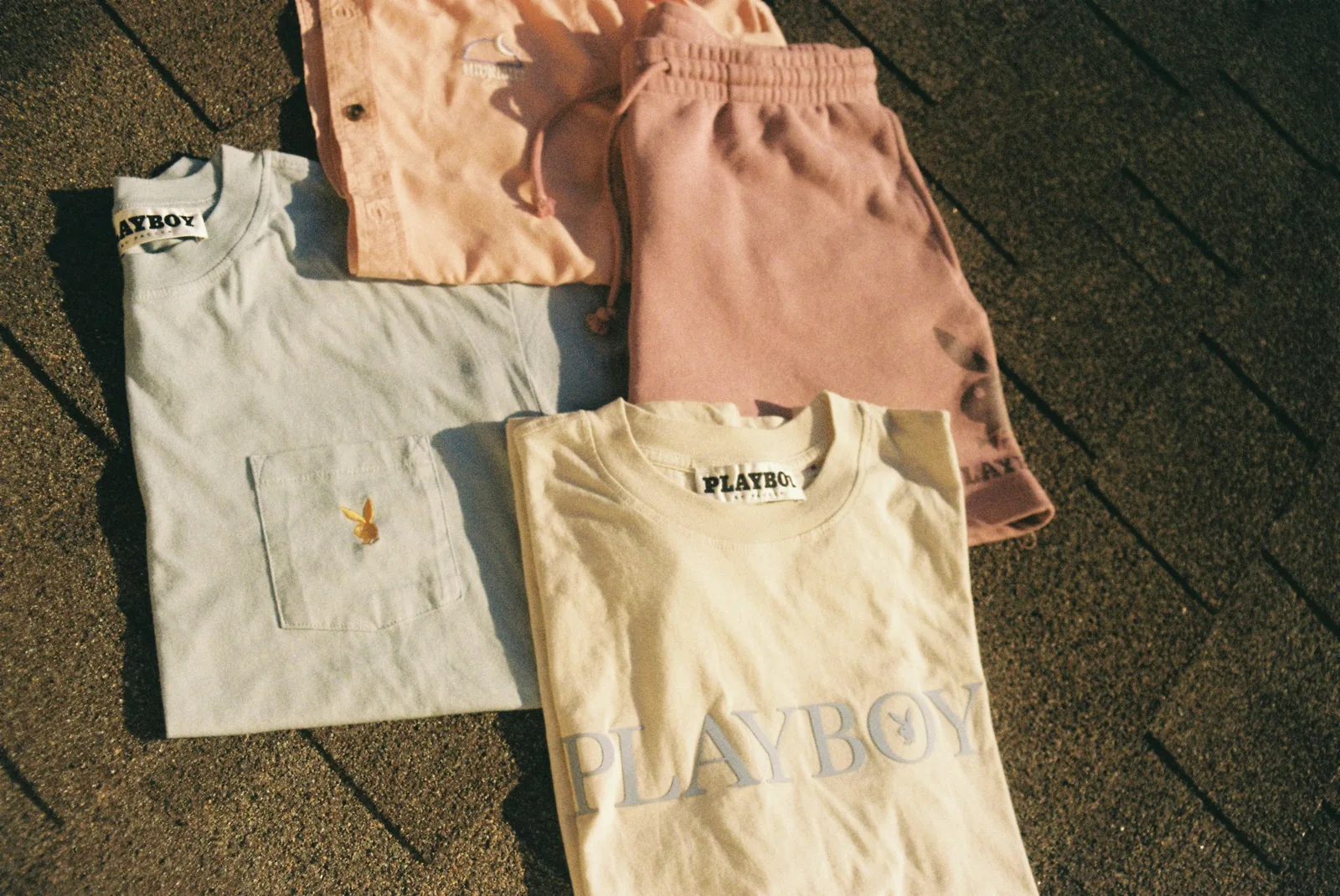
Flat lay clothing photography is an effective style for ecommerce businesses, as it helps display your products in an aesthetically pleasing way that appeals to buyers. Flat lays are an excellent place to start if you want to spice up your online store and improve your sales. This guide will offer tips and tricks for creating the best flat-lay clothing photography to help your store stand out.
Caspa is an AI product photography platform that can help you achieve your goals by simplifying the process of creating stunning flat lay imagery. With this tool, you can create professional-quality photos in minutes, allowing you to focus on other aspects of running your online store.
Table of Contents
- What Is Flat Lay Clothing Photography?
- 11 Best Flat Lay Clothing Photography Ideas For Ecommerce
- 11 Essentials For Flat Lay Clothing Photography
- Why You Need Quality Photos For Your Online Store
- Get AI Product Photos that Increase Your Sales Today
What Is Flat Lay Clothing Photography?
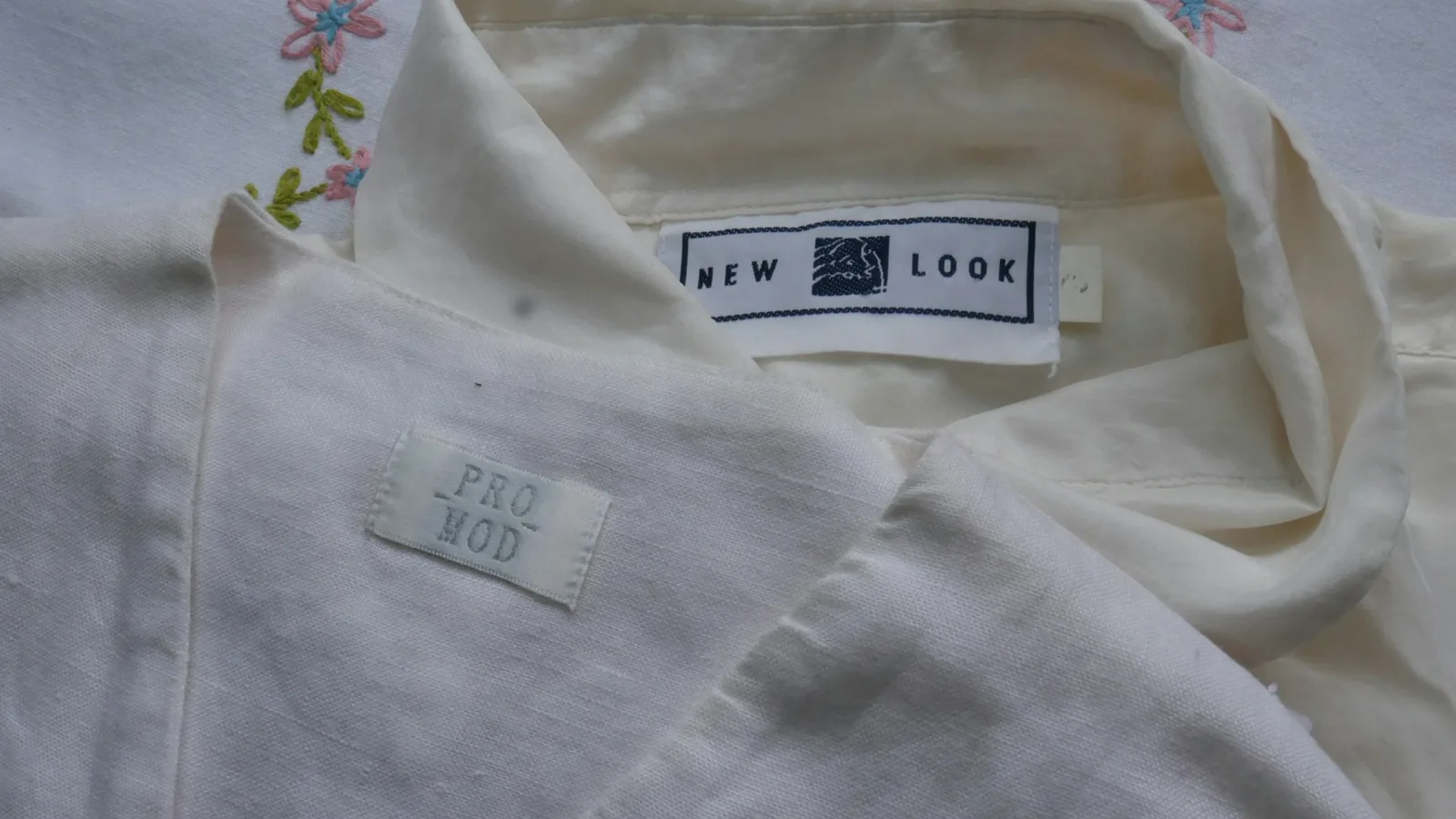
Flat-lay clothing photography is a style of photography in which clothes and accessories are arranged on a flat surface and photographed from directly above, typically at a 90-degree angle. This method allows for a clear and organized presentation of the items, making it easier to showcase how different pieces can be combined to create a complete outfit. The appeal of flat lay photography lies in its simplicity and versatility. Using various backgrounds, props, and lighting techniques, you can create visually engaging images highlighting the clothing’s:
- Textures
- Colors
- Details
This approach is especially popular on social media platforms and ecommerce websites, as it provides a clean and aesthetically pleasing way to display fashion items.
Essential Tips for Creating Eye-Catching Flat Lay Clothing Photography
Flat lay photography not only helps in presenting the clothing attractively but also allows for creative storytelling. Thoughtfully arranging items and adding complementary props can convey a specific theme or mood, making the images more relatable and appealing to your audience. Whether you are a fashion brand or an individual looking to enhance your social media presence, mastering flat lay clothing photography can significantly elevate the quality of your visual content.
• Ecommerce Fashion Photography
• T Shirt Product Photography
11 Best Flat Lay Clothing Photography Ideas For Ecommerce
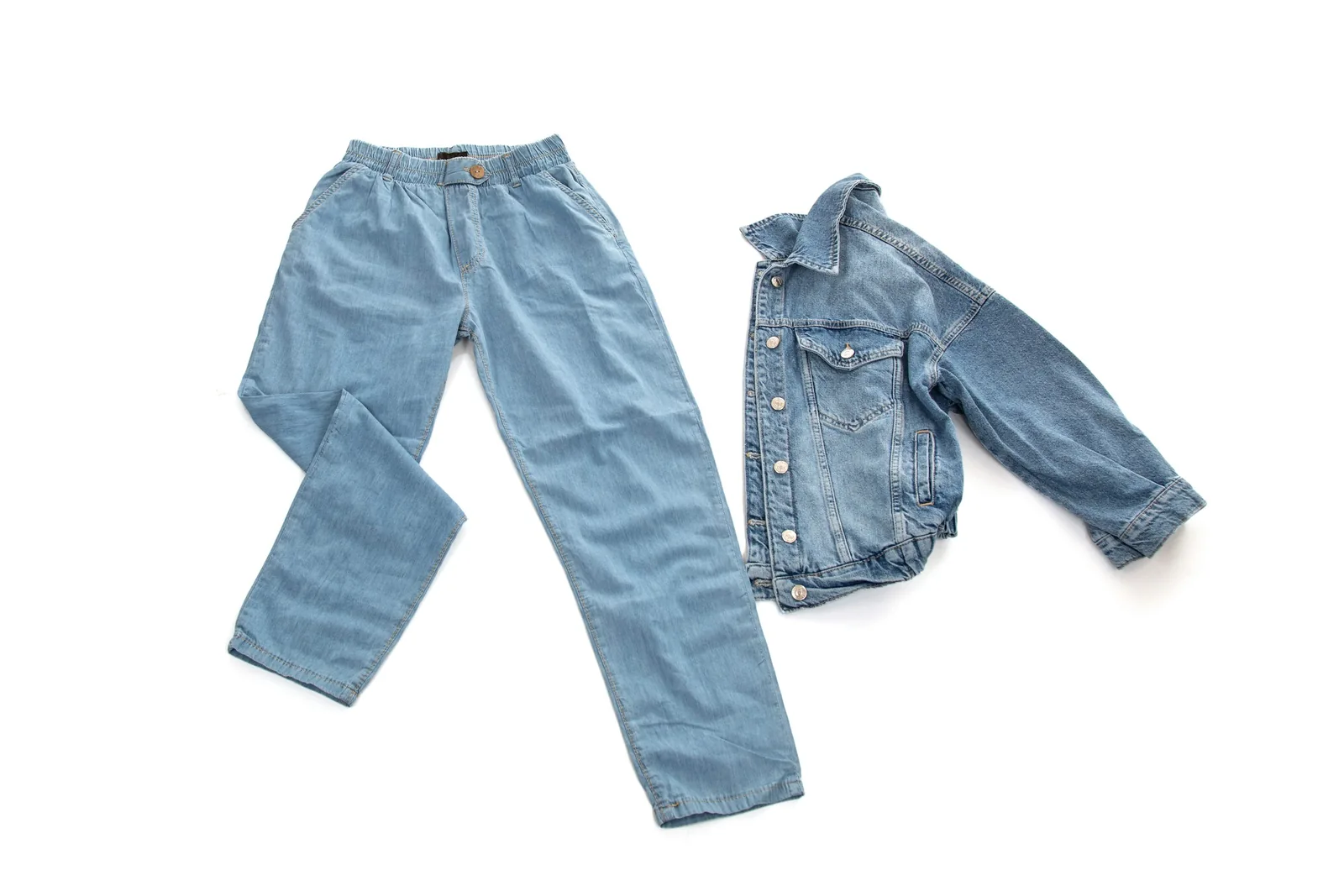
1. Place on a Flat Surface for Even Lighting
Flat surfaces are the foundation of flat-lay clothing photography. Light falls evenly across a flat surface, which helps you capture a better picture. So, all you have to do is place the clothing or garments on a plain, flat surface. You should use a mat or stiff cloth over the surface and put the clothes on it. It will help you keep the cloth stable. The background of the apparel in flat-lay photography is crucial to getting the perfect shot. You should use a solid color mat or stiff cloth. Then capture the picture and remove or replace the background yourself, or have a professional editor make it white.
2. Capture by Hanging for a Unique Angle
Hanging clothes on a wall isn’t strictly flat-lay clothing photography, but it’s a closely related technique. Instead of laying the item on a flat surface, you only have to put it on a hanger and hang it on the wall. You can also place a rigid paper board inside the clothes. It will give the clothes much more stability. Now capture the image in the presence of enough light. The photo will look similar to a flat lay, but the appearance will differ because the hanger holds the clothing by the neck and shoulders.
3. Shoot Handheld From a Ladder
One of the easiest methods is to use a ladder and a hand-held camera to create flat-lay photography. You can shoot products placed on a table or on the floor. The lighting may be placed anywhere in the area, and the entire arrangement resembles a conventional picture studio.
4. Use a Tripod for Stability and Precision
Utilizing a tripod provides a more accurate and secure technique for taking pictures from above. To take a flat lay, you may tilt the camera vertically using the moveable center column found on most tripods. Alternatively, you can buy a lateral extension arm that attaches to the tripod and holds the camera pointing down over the flat lay.
5. Organizing Clothing for Photography
Organizing clothing is one of the most crucial parts of flat-lay clothing photography. A few simple DIY approaches work well:
- Laying a tablecloth or fabric as the base
- Grouping accessories, such as handbags, with the outfit
- Placing matching pieces together
Place each item of clothing in its proper location or where it matches best. Alternatively, line up the clothing so that it looks well organized. This is key to a strong flat-lay composition.
6. Using Black Paper Gives a Unique Look
Use black cloth or paper rather than a white background to give the surface a unique atmosphere. Light and bright garments stand out against a dark background, although dark clothing can get lost on it. The use of black paper is very beneficial in flat lay clothing photography. Velvet is an excellent material for black backdrops because it absorbs light. Black or dark backgrounds work well for creating texture. You can also write on them if you’d like.
7. Choose the Perfect Lay Style
Depending on the style of the garment, there are several ways to lay it out, and more than one approach can suit each category. Decide on the ideal lay arrangement for each item before you start shooting.
8. Capture by Folding Clothes for a Creative Approach
Folding clothes before you capture them is a creative flat-lay clothing photography idea. Strategically folding your clothes can improve your photography. Fold the clothing smartly, place it on the surface, and capture a photo. You can place one or multiple clothing items on a flat surface and then capture an image. You can also add a decorative item to make the picture more attractive. It is one of the best ways to showcase multiple clothing items in one frame.
9. Avoid Limiting Frame for Versatility
While snapping the shots, leave plenty of space around the clothing. This will give you more room to work with later, especially during post-processing. A wide frame gives you much more flexibility for editing and cropping than a tight one, and the more you can do in editing, the more your clothing brand can stand out from competitors.
10. Ensure Angle Variation for a Natural Look
The high, central perspective works for most shots, but occasionally angling the camera slightly to the left or right adds some variation. When shooting flat-lay photography, capturing the three-dimensionality of clothes might be challenging. Because it lies flat, clothing sometimes resembles a paper cutout. Shooting from a slightly lower angle now and then can help your clothing stand out against the background.
11. Ensure Visible Details to Highlight Features
Many people think it’s easy to style clothing. Learning to do so is one of the most difficult components of product photography. It might be challenging to tell whether you’ve folded some clothing improperly. The secret is to arrange each piece to accentuate its best features. In product photography, draw attention to the print and typography on a T-shirt. So avoid folding long-sleeved shirts the same way you would a regular T-shirt. Show the audience the item’s full sleeves. Clothes must be arranged precisely so that they can be easily distinguished.
How AI-Powered Product Photography Is Revolutionizing Ecommerce Marketing
Caspa helps ecommerce brands create stunning product photography with AI, eliminating the need for multiple editing tools, photographers, and models.
From creating ultra-realistic product shots with human models to editing existing photos, Caspa's all-in-one AI product photography platform handles everything from background removal to upscaling, letting brands produce professional marketing visuals in seconds. Whether you need custom product photos or complete studio editing capabilities, Caspa streamlines the entire product visualization workflow into a single, cost-effective solution. Get AI product photos that increase your sales today!
• Shoe Product Photography
• Fashion Photography Examples
11 Essentials For Flat Lay Clothing Photography
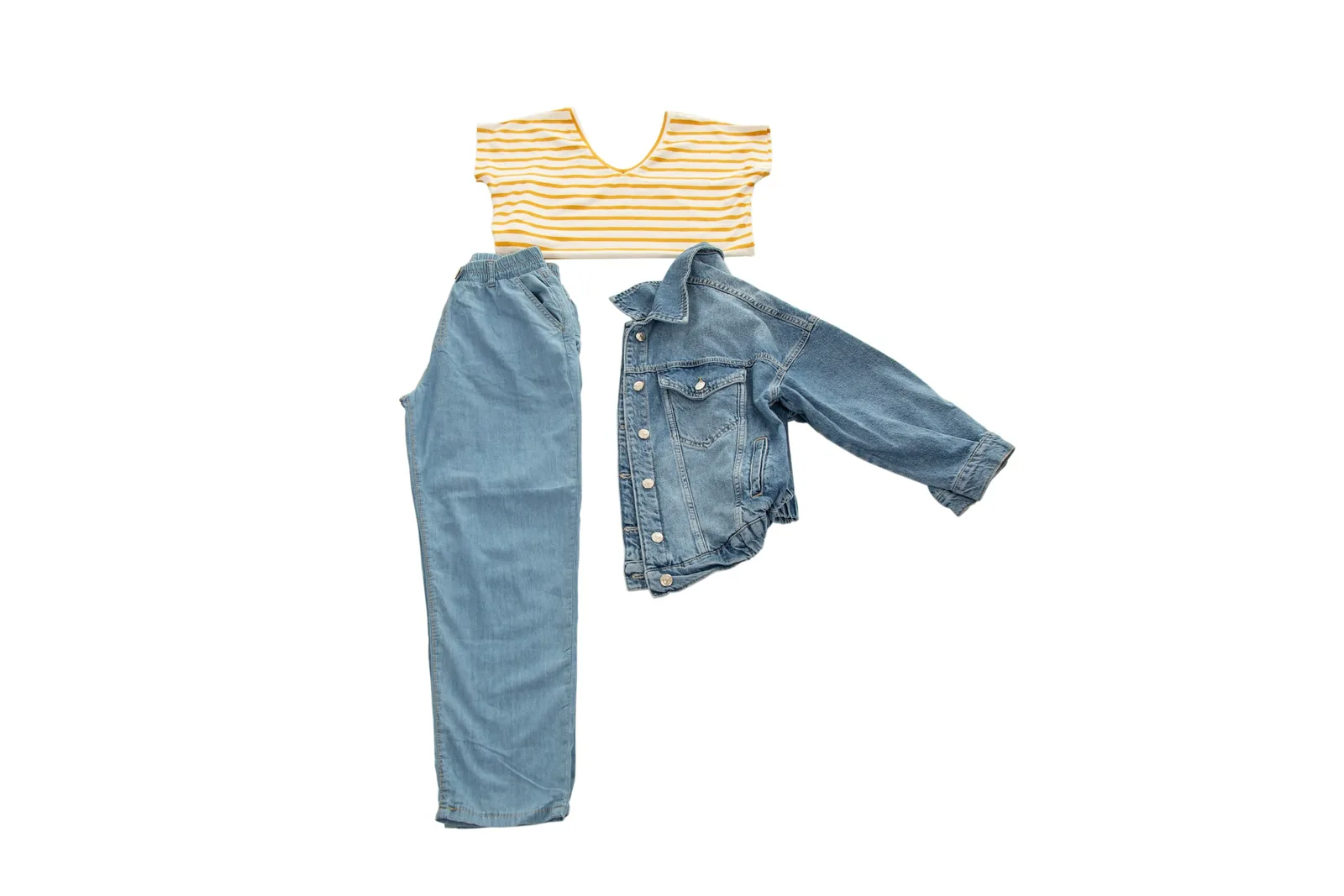
1. Backdrop: The Base of Your Flat Lay Clothing Photography
For capturing flat-lay clothing images for your ecommerce store, opting for simple white or gray backgrounds without any textures or bright colors is best. A white poster board or foam board works great as a backdrop. You can also use a thick sheet of white paper as a background for your flat lays. If you want to use a colorful backdrop, make sure it complements your clothing item instead of taking focus away from it.
2. Table or Surface: Where the Magic Happens
Choose an even and smooth surface for your photoshoot. While you can use the floor or an existing table, consider using a backlit table for your clothing flat lays for best results. You can even make one using materials like a sheet of glass and LED light strips. This type of table provides even lighting across your clothing items, making it easier to capture incredible flat-lay shots.
3. Tripod or C-Stand: The Support You Need for Stunning Flat Lay Shots
A tripod or a C-stand in your flat lay photography toolkit can save you a lot of hassle. Sure, you could try capturing those stunning flat-lay photos by holding your camera, but let’s be honest: It’s much easier with a tripod or C-stand. Not only does it help you maintain consistency and sharpness, but it also ends any unwanted shakiness while taking flat-lay photographs. If you go for a tripod, choose one with an extension arm support to avoid tripod legs interfering with your shot of the flat garment. It’s all about getting that picture-perfect flat-lay shot without any distractions.
4. Camera: Capture Beautiful Flat Lay Photos
If you want to capture stunning flat-lay clothing shots, you can’t go wrong with a high-resolution DSLR or mirrorless camera. These cameras offer the perfect combination of image quality and versatility. Regarding entry-level options, plenty of affordable and user-friendly DSLRs are available on the market. If you’re on a tight budget and do not want to invest in a DSLR or mirrorless camera immediately, no problem. Start by using your smartphone camera to take flat-lay photographs of clothing, then post-process the images later. With the proper editing techniques, you can still achieve fantastic results.
5. Lenses: Get Up Close and Personal with Clothing Details
If you’re into capturing flat lays with a DSLR or mirrorless camera, you’ll need a couple of lenses to kickstart your photography journey. But here’s the thing: you don’t need a whole arsenal of lenses to capture stunning flat-lay clothing photographs. You can get by just fine with two essential lenses covering all your needs. First off, a 50mm prime lens is perfect for achieving that sharp focus on clothing items. It’s a great starting point for any flat-lay enthusiast. In addition, consider investing in a 100mm f/2.8L macro lens. A macro lens like this lets you easily capture intricate details, such as the fabric’s texture. You can take stunning flat-lay shots that beautifully showcase your garments using these two lenses.
6. Lights: Artificial Light Is Your Best Friend
While natural light is often suggested for flat-lay photography, it may not always provide even lighting across your products. In practice, artificial light is the most reliable light for flat-lay photography. LED panels, strobe lighting, standard LED bulbs, or a ring light are all good options, depending on your budget. The key is to achieve consistent lighting for your garments and products. Experiment and find the lighting setup that suits your needs.
7. Softboxes: Say Goodbye to Harsh Shadows
When it comes to flat-lay photography for clothing items, using lights directly can sometimes lead to harsh shadows that you’d rather avoid. That’s where softboxes come in handy. Consider investing in a pair of softboxes to create soft and uniform illumination. These will help you achieve that perfect balance of light and shadow.
8. Reflectors: Fill in Shadows for a Balanced Look
Another essential tool for fashion flat-lay photography is the use of reflectors. Reflectors bounce light back onto the subject, helping to fill in shadows and create a more balanced and evenly lit image. They come in various sizes and colors, allowing you to experiment with different effects. But if you’re looking for a more budget-friendly option, don’t worry. You can get creative with DIY solutions using household materials like whiteboards to bounce and diffuse light.
9. Props: Add Depth and Interest to Your Flat Lay Photos
Let’s talk about props. Props are fantastic tools for adding depth, interest, and storytelling to your images. They can complement your clothing items, enhance the overall theme, and create a visually captivating composition. Consider collecting accessories, flowers, books, or everyday objects related to the style or mood you want to convey. These props can help bring your flat-lay photos to life and make them more engaging for your audience. Just remember to choose props that enhance rather than distract from the main focus, which is your clothing.
10. Clothes Iron: Smooth Wrinkles for a Polished Look
A clothes iron may not be the first thing you think of when photographing flat lays, but it can be a valuable accessory. Wrinkles and creases in your photos will diminish their overall aesthetic appeal. This is why having a clothes iron in your flat-lay clothing photography toolbox is a good idea to ensure your garments look smooth and polished.
11. Double-Sided Tape: Secure Your Clothing Items
When photographing clothing flat lays, double-sided tape keeps clothing items secured to prevent unwanted movement or wrinkles. It’s a simple yet effective tool that helps you secure your clothing items in place during the photo shoot.
Why You Need Quality Photos For Your Online Store

Help Customers Picture Themselves Using Your Products
When customers shop online, they can't physically examine the products. Great product images help bridge that gap by allowing customers to envision how they might use your products in real life. For instance, you can help customers picture themselves using your products by:
- Featuring models of different sizes wearing an item of clothing
- Showing a smiling model using your product to represent a happy customer
- Displaying the product in various settings/applications to highlight its versatility
- With product photography, you can invite customers into a story and help them visualize what they could do with your product.
- And if you can connect your product with a positive result, they’ll be more likely to buy it.
Help You Stand Out From The Competition
You need every competitive edge you can get, which is where the importance of product images comes into play. According to Google research, 85% of shoppers consider product information and pictures when deciding which brand to buy from. By creating and uploading great images of your products, you can stand out from competitors with poor or nonexistent photos. You could even capture the sale before a customer checks out your competitors!
Get Found On Social Media And The Web
Eye-catching product images on your website and social media pages can also increase your reach. Social media users, especially those on highly visual platforms like Instagram and Pinterest, often share attractive photos they come across. Putting effort into your images can increase their chances of being shared. As a result, you can generate interest in your business and product line from new potential customers.
Quality Product Photos Boost Your SEO
The importance of product images also extends to SEO (search engine optimization). Visual search has become increasingly popular, especially when shoppers look for a particular product. Descriptive alt text helps Google understand your images and show them in image search. You can increase your rankings by uploading great photos and putting effort into image optimization. In doing so, you can boost organic search traffic to your website.
Quality Product Photos Increase Sales & Reduce Returns
As you have probably guessed, product images can significantly increase your business’s online sales. Customers who like what they see are likelier to add the item to their cart. 63% of consumers believe good images are more important than descriptions when purchasing. So, by sharing quality photos of your products, you can look forward to better sales. But more than that, you can also enjoy fewer returns. According to research by Invesp, 22% of returns occur because the product looks different from the photos. Accurate photos of your products help customers know exactly what they’re getting. And if there aren’t any other issues, they’ll be less likely to return it.
Quality Product Photos Meet Customer Expectations
When you have great images of your products, you’re also meeting customer expectations. Product photos are necessary for ecommerce businesses because customers expect to see them. And they don’t want to see just one either. Studies from Shopify found that 33.16% of consumers like to see multiple photos. By providing a variety of images, you can show that you understand your customers’ needs and make the buying decision more manageable for them.
• Clothing Photography
• Fashion Photography Examples
• Clothing Brand Photoshoot Ideas
Get AI Product Photos that Increase Your Sales Today
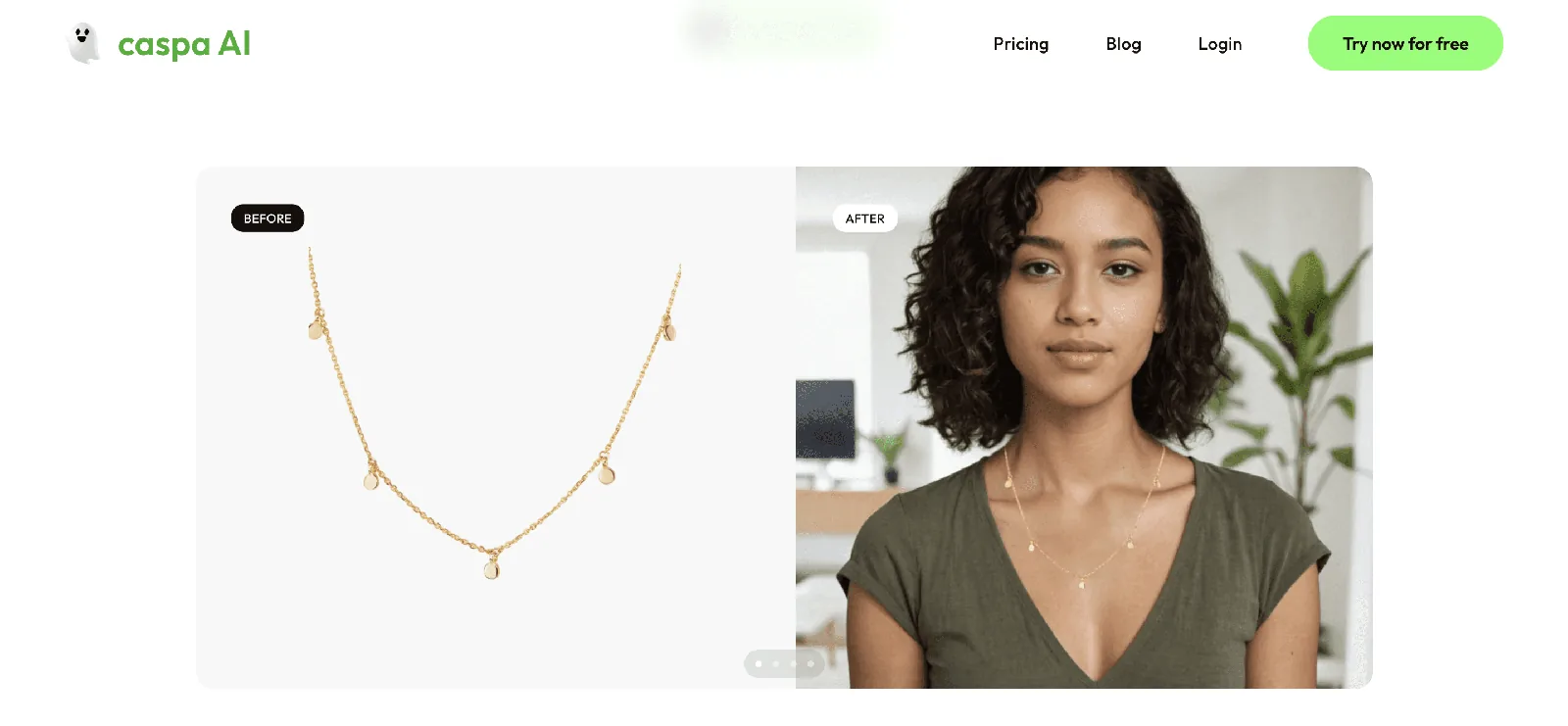
Flat lay photography shows a bird’s eye view of arranged products, and it’s one of the most effective ways to showcase clothes and accessories for ecommerce. Flat lay photography creates an attractive, organized, and appealing visual that helps shoppers picture the items' appearance. This type of product photography is especially great for online stores because it’s:
- Simple
- Straightforward
- Easy to replicate
No space for a flat lay setup? Upload a photo of the garment and Caspa generates flat lay, on-model and lifestyle shots, with the garment unchanged. Every new account gets 10 free credits, no credit card required.