
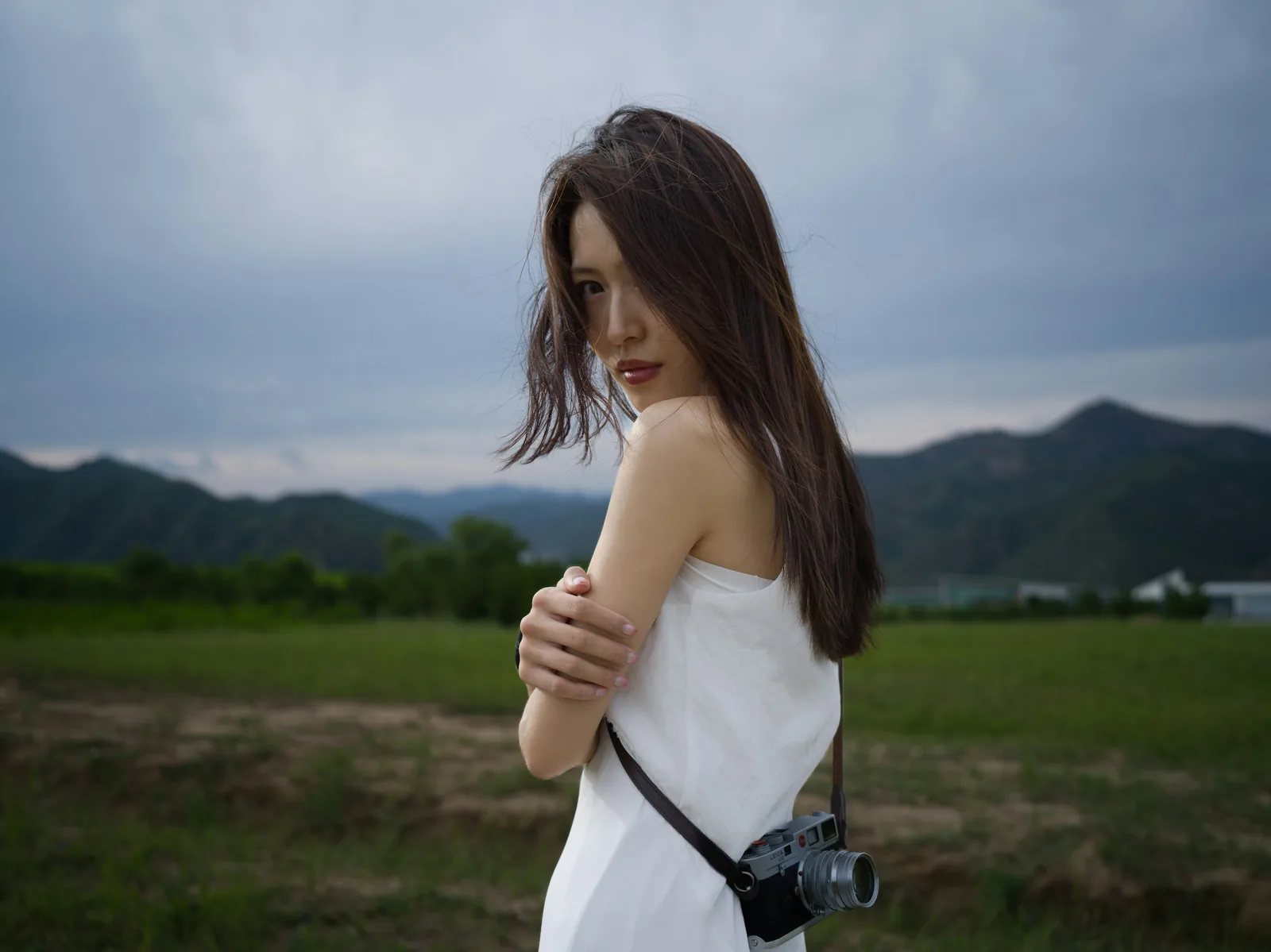
These fashion photography examples cover the 12 types of fashion photography a clothing brand is likely to need, from the catalog shots that sell on a product page to the editorial and street style images that build the brand. For each type you get what it is, when an ecommerce brand uses it and how it is shot, plus a table that matches each type to a job.
Types Built for Selling Online
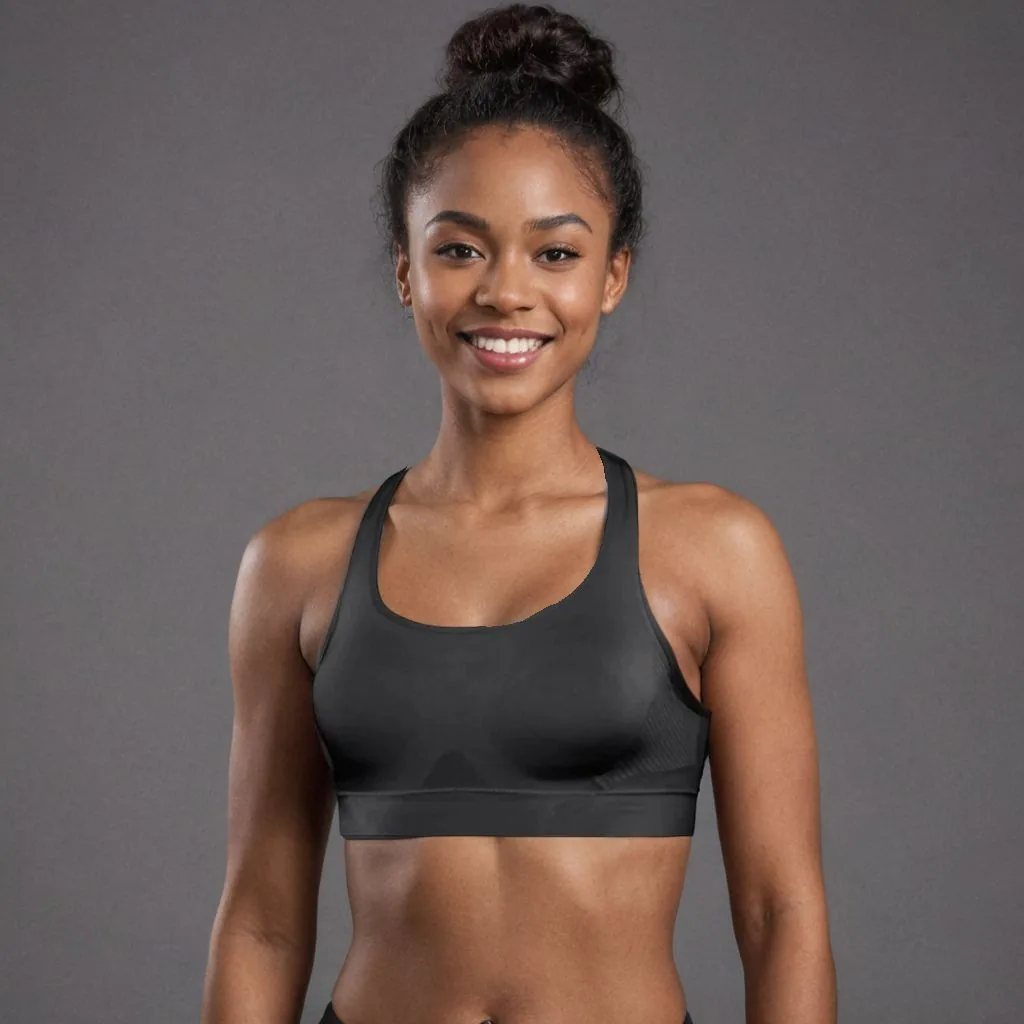
1. Catalog Photography
Models in a studio against a plain background, in simple, repeatable poses that show the garment's front, back and side. It is the standard for product page main images because it shows fit and detail without distraction. Shoot it with even light, a fixed camera position and the same poses for every product.
2. Ghost Mannequin Photography
The garment is photographed on a mannequin, the inside back of the neck is shot separately, and the two are combined so the mannequin disappears. The result shows the garment's 3D shape without a model, at a lower cost per product. It suits structured pieces such as jackets, shirts and dresses.
3. Flat Lay Photography
Clothing arranged on a flat surface and shot from directly above. It is fast and cheap, shows prints and colors well, and works for basics, kidswear, accessories and social posts. See our flat lay clothing photography guide.
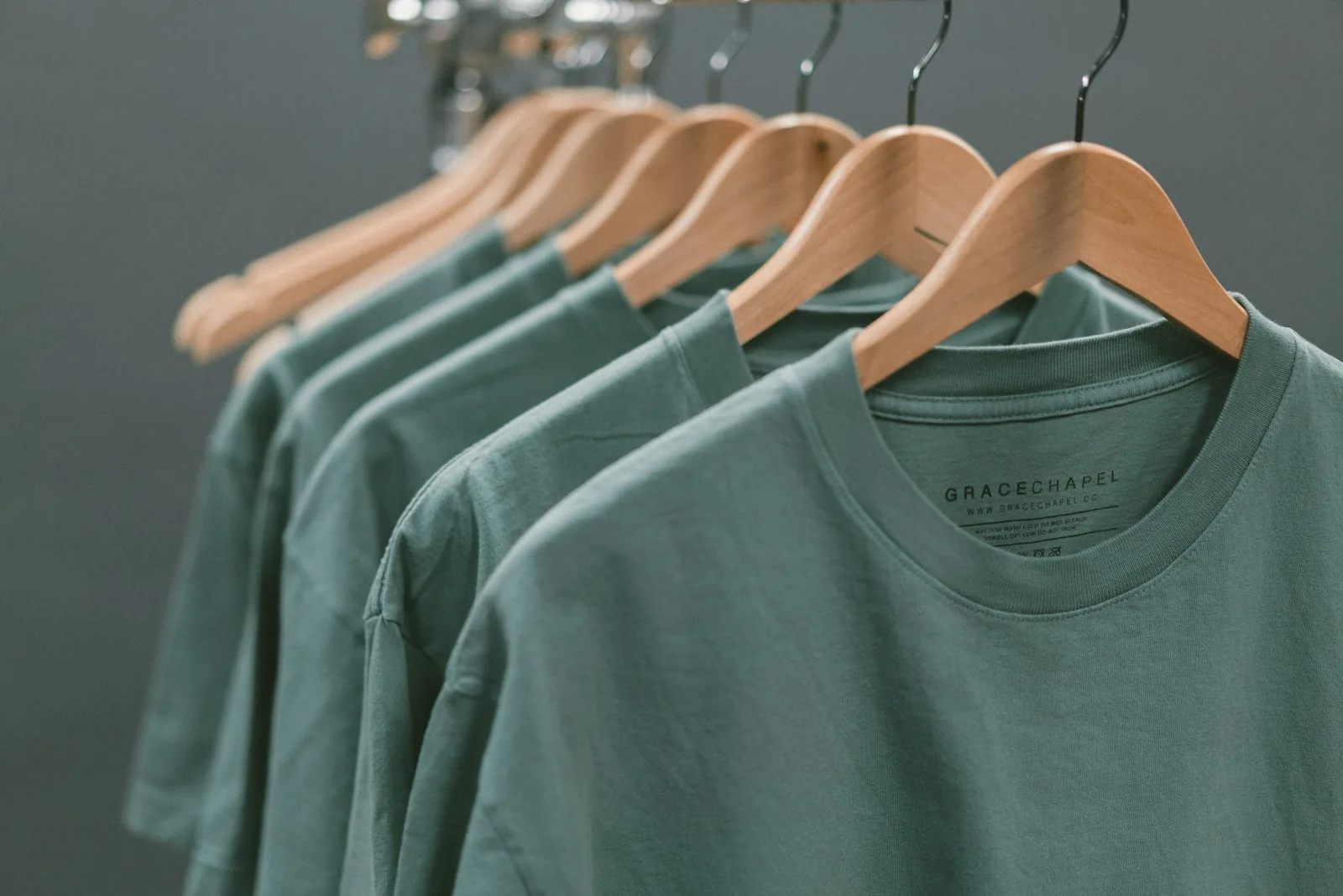
4. Hanging and Rack Shots
Garments on hangers, or a row of pieces on a rail, against a clean wall. A single hanging shot is a quick product image; a full rack makes a good collection banner or a "new in" social post.
5. 360-Degree Photography
A sequence of photos taken as a mannequin or turntable rotates in even steps, stitched into a spin the shopper can drag. It shows cut and fabric from every side and is worth it for hero products and higher-priced pieces.
6. Lifestyle Photography
Models wearing the clothes in a real setting that matches the customer's life: a café, an office, a beach. These images sell the mood and work as secondary product page images, in ads and on social media.
Types That Build the Brand
7. Lookbook Photography
A whole collection styled into complete looks around one concept, shot in a consistent setting. Lookbooks inspire shoppers, help wholesale buyers and press understand a season, and give your product pages styling ideas.
8. Editorial Photography
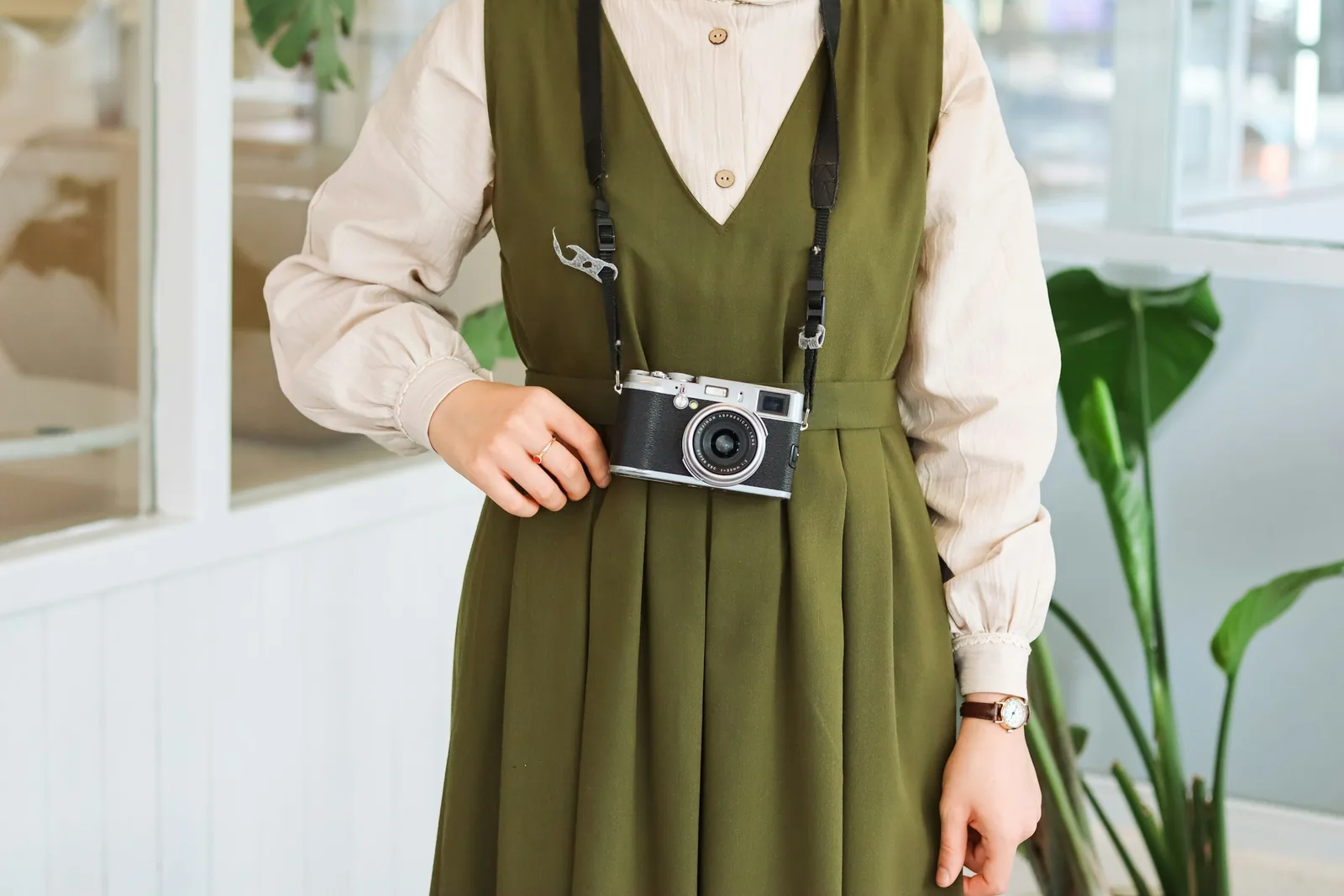
Story-led images for magazines, brand journals and campaign pages, often shot on location from a detailed brief. The clothes are part of a narrative rather than the only subject.
9. Advertising and Campaign Photography
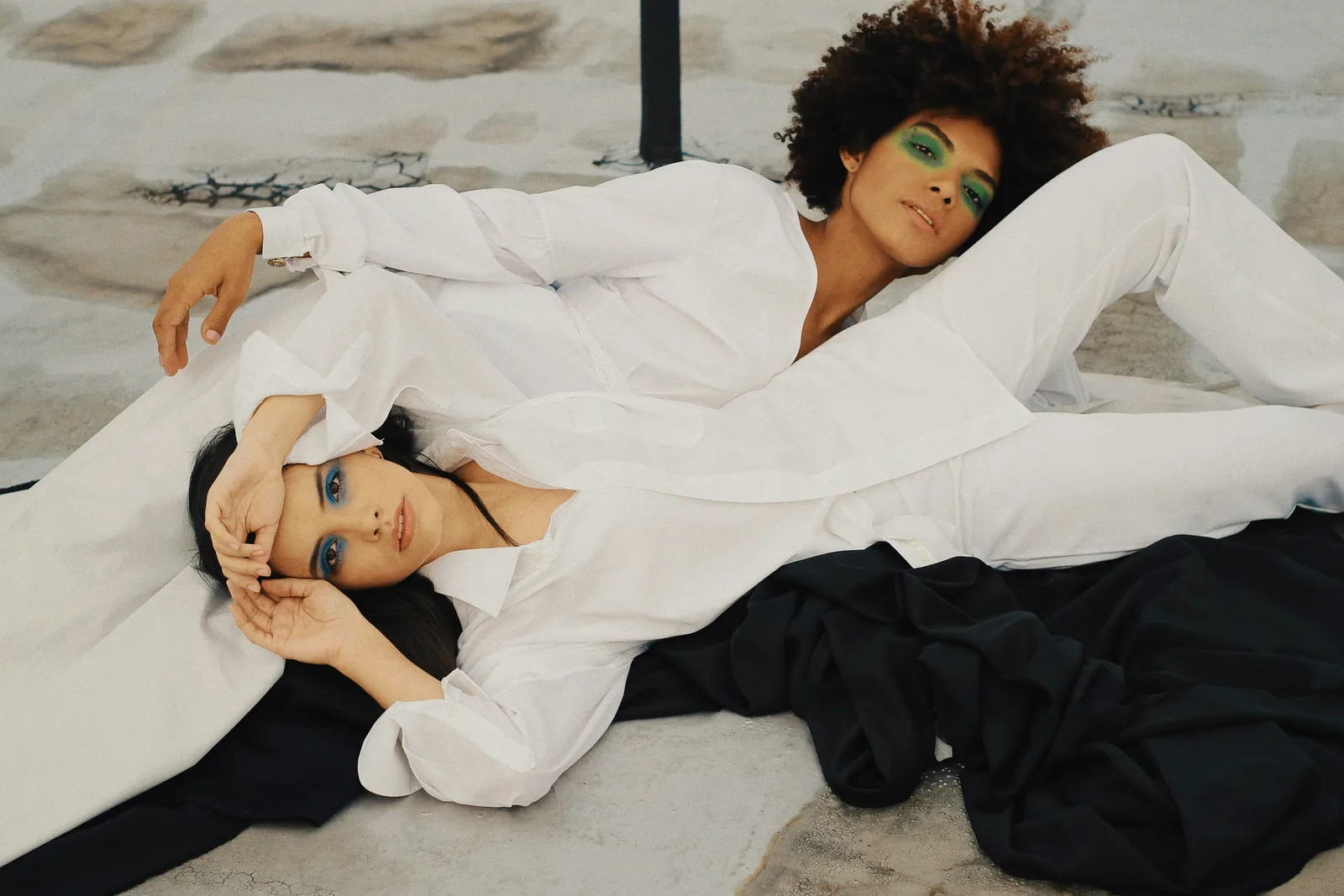
A small number of high-impact images made to sell a product or a season on billboards, social ads and banners. Concepts range from a single product on a bold color to large productions with known faces.
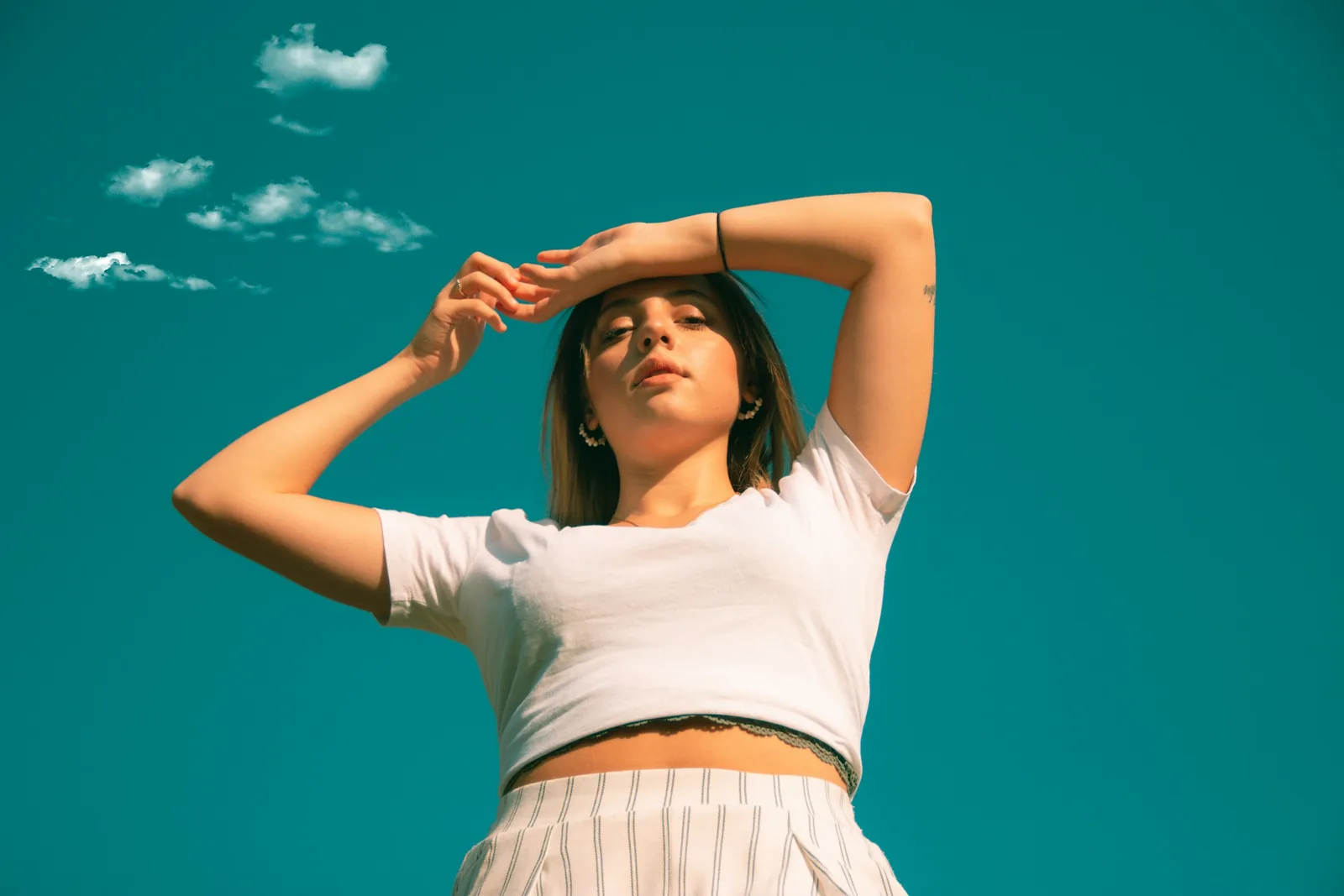
10. Street Style Photography
Real-world, candid images of how people wear and style clothes, from city streets to fashion week crowds. Brands use the look for social media and UGC-style ads. Always get written permission before you publish someone's photo.
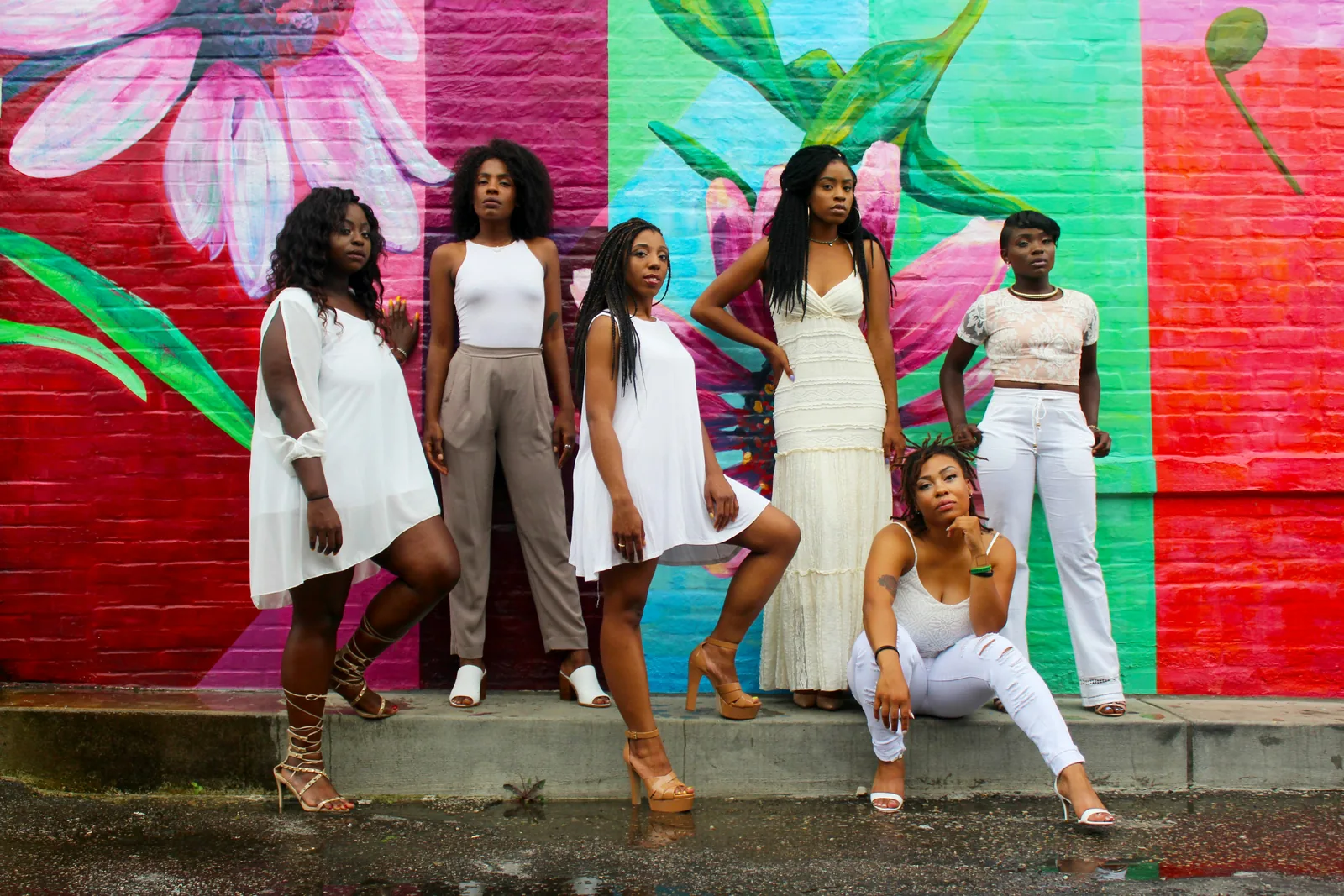
11. High Fashion Photography
Conceptual, dramatic imagery with avant-garde styling and exaggerated poses, made for luxury magazines and campaigns. It prioritizes mood over showing every detail of a garment, so it rarely works as a product image.
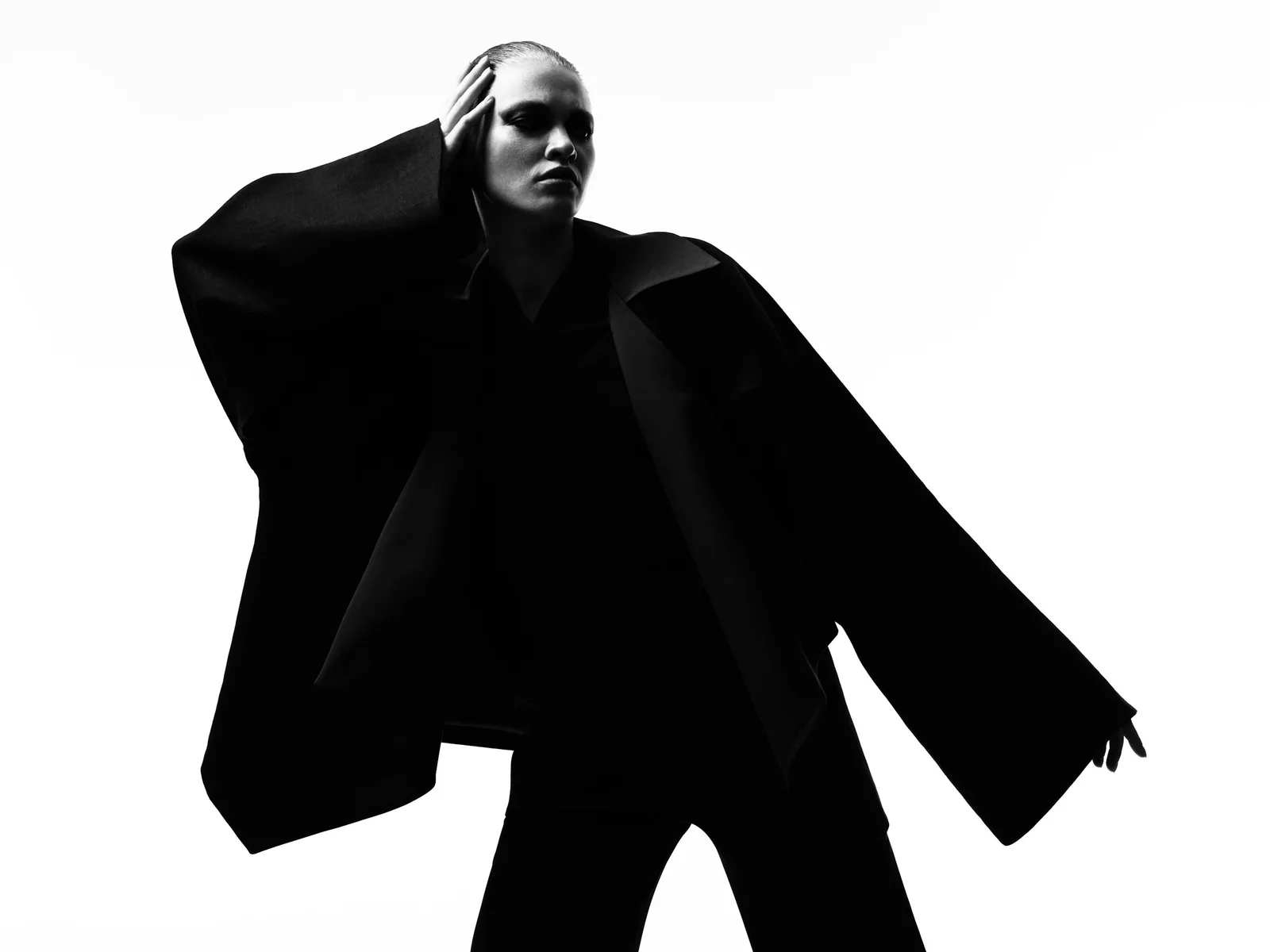
12. Runway Photography
Coverage of fashion shows, closer to photojournalism: the organizer controls the light and the angles, so photographers rely on long zoom lenses and fast shutter speeds. Brands that show collections use runway images in press and on social media.
Which Type of Fashion Photography for Which Job
| Job | Best types |
|---|---|
| Product page main image | Catalog, ghost mannequin, flat lay |
| Product page extra images | Lifestyle, 360-degree, close-ups of fabric and details |
| Collection pages and banners | Rack shots, lookbook, campaign |
| Social media | Street style, flat lay, lifestyle, behind the scenes |
| Paid ads | Campaign, lifestyle, catalog on bold color |
| Wholesale and press | Lookbook, editorial, runway |
Whichever types you choose for the product pages, use them for every product, so the store looks consistent. Our clothing brand photoshoot ideas post has concepts for the brand-building shoots.
Quick Shooting Tips for Fashion Ecommerce
- Settings: keep ISO low for clean detail; use about f/8 in the studio so the whole garment is sharp, and f/2.8 to f/4 on location to soften the background.
- Lens: 50mm to 135mm keeps proportions natural; wide lenses distort bodies and garments.
- Styling: pin or clip garments at the back for a clean fit, steam everything, and take test shots before the first look.
- Light: soft, even light for catalog work; harder, directional light for editorial and campaign moods.
- Publishing: compress images for fast pages, give files descriptive names and write alt text that describes the garment.
For the full hands-on process, read our guides to clothing photography and ecommerce fashion photography.
Frequently Asked Questions
What are the main types of fashion photography?
The main types are catalog, ghost mannequin, flat lay, hanging, 360-degree, lifestyle, lookbook, editorial, advertising or campaign, street style, high fashion and runway photography. Ecommerce brands rely most on catalog, ghost mannequin, flat lay and lifestyle images.
What type of fashion photography is best for ecommerce?
Catalog photography on a model, ghost mannequin and flat lay images work best as product page main images because they show the garment clearly on a plain background. Add lifestyle images and close-ups as secondary images to show fit, fabric and mood.
What is the difference between editorial and commercial fashion photography?
Commercial fashion photography, such as catalog and advertising images, exists to sell specific garments, so the clothes are clear and central. Editorial photography tells a story for a magazine or brand journal, and the clothes are part of a wider narrative and mood.
What is lookbook photography?
Lookbook photography presents a collection as complete, styled outfits around one concept and setting. Brands use lookbooks to show a season to shoppers, wholesale buyers and press, and to give styling ideas on product pages.
See Your Collection on Models Before You Book a Shoot
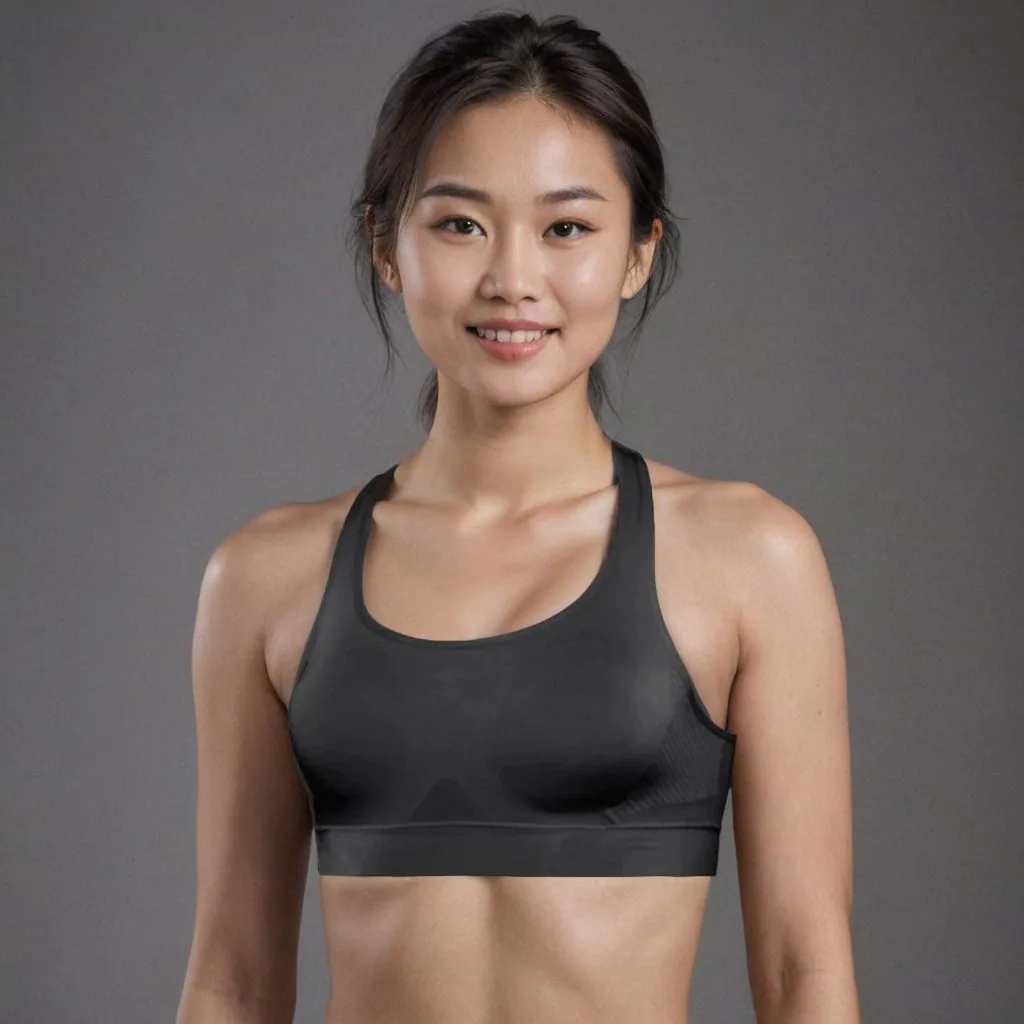
Photograph each garment once, then upload it to Caspa to create catalog and lifestyle images on AI models of any ethnicity, in a studio or on location. The garment stays unchanged, so you can show the same piece on different models or test a campaign look before you commit to a shoot.
Every plan comes with a 30-day money-back guarantee. See more on our AI fashion photography and clothing photography pages.