

Running an ecommerce store means making constant decisions about printing, shipping, and fulfillment partners. For sellers who rely on Printful, platforms like Printify, Gooten, and Gelato are worth a closer look, each offering distinct advantages in pricing, product range, and production speed. Choosing the right alternative can have a real impact on margins and customer satisfaction.
Switching fulfillment partners is only part of the equation. Once a platform is in place, how products are presented determines whether shoppers convert. Caspa helps ecommerce sellers create sharp, professional product photography without the cost or complexity of a traditional shoot, so every listing looks polished regardless of which supplier is behind it.
Table of Contents
- Why More Sellers Are Looking for Printful Alternatives
- Why There Is No Single Best Printful Alternative
- 10 Best Printful Alternatives by Use Case
- Fast-Growing Brands Compete on More Than Fulfillment
- Strong Ecommerce Brands Win Through Better Product Presentation
- How Caspa Helps Ecommerce Brands Create Better Product Visuals
- Get Product Photos that Increase Your Sales Today
Summary
- Sellers switching print-on-demand platforms often discover that the real friction point is the cost structure, not the features. A standard Bella+Canvas tee through Printful runs close to $18 before margin, platform fees, or packaging in 2025, according to PodVector AI's review. At low order volumes, that math is manageable, but it compresses quickly as a business scales.
- Support quality has declined alongside growth at established POD platforms. Printful live chat queues now run 20 to 30 minutes in 2025, up from under 5 minutes just a couple of years ago. Delays at that scale mean customer service failures land on the seller's brand, not the supplier's.
- No single fulfillment platform serves every business model well. According to Michael Essek's roundup, there are at least 11 distinct POD platforms worth evaluating, each built around different tradeoffs in pricing, geography, product depth, and branding control. More than 45% of print-on-demand sellers now use multiple POD platforms simultaneously to avoid being constrained by any one provider's limitations.
- Presentation drives purchase decisions more than most sellers budget for. Salsify's 2025 ecommerce research found that 87% of shoppers rate product content as extremely or very important when deciding to buy, and brands with complete product content see up to 30% higher conversion rates. Two stores using the same supplier and shipping the same product can produce completely different revenue outcomes, driven almost entirely by how that product is photographed.
- Poor visual accuracy also creates downstream costs that rarely get attributed to photography decisions. HubSpot's marketing data show that 22% of online product returns are due to an item looking different in person than in photos. Returns are not just a logistics expense; they are a signal that imagery set expectations the product could not meet.
- The fastest-growing ecommerce brands in 2025, as tracked by Facteus across consumer spending categories, are winning on positioning, visual quality, and conversion optimization rather than fulfillment speed alone. Customers now expect 2 to 3-day delivery as a baseline, which means fast shipping no longer differentiates a brand the way it once did.
- Product photography addresses this by giving sellers a way to close the visual gap between their listings and better-funded competitors without the cost or production timeline of a traditional shoot.
Why More Sellers Are Looking for Printful Alternatives
Printful helped create the print-on-demand category. But as the business grows, gaps in any platform become clear. Sellers who started with Printful often find that what worked at 50 orders a month creates serious problems at 500.
"What worked at 50 orders a month can break down entirely at 500 — scaling exposes every gap a platform has." — Industry Insight
💡 Tip: If you're hitting volume thresholds with your current supplier, it's not a sign of failure but a sign you've outgrown your starting point.
⚠️ Warning: Many sellers wait too long to explore Printful alternatives, switching only after fulfillment issues have damaged their customer relationships and brand reputation.
| Growth Stage | Orders/Month | Common Pain Points |
|---|---|---|
| Starting Out | 1–50 | Learning the platform, low risk |
| Scaling Up | 50–500 | Costs rise, fulfillment strain begins |
| Established | 500+ | Critical gaps in pricing, speed & support |
🔑 Takeaway: The print-on-demand landscape has evolved — and so have seller expectations. More options now exist than ever before, making it essential to evaluate whether Printful is still the right fit for your business.
What makes Printful's cost structure a problem at scale?
The cost structure is the first problem. According to PodVector AI's Printful Company Review 2025, a standard Bella+Canvas 3001 tee costs about $13.25 base plus $4.69 for US shipping in 2025: nearly $18 before adding profit, platform fees, or packaging upgrades. For brands competing against Amazon or direct-to-consumer competitors with bulk inventory, those margins shrink quickly. Shipping speed and support quality compound the problem. The same PodVector AI review notes that Printful live chat wait times now run 20 to 30 minutes in 2025, up from under 5 minutes a couple of years ago. A 25-minute support wait reflects poorly on your brand.
Why do sellers outgrow Printful rather than abandon it overnight?
The failure point is usually not a single dramatic breakdown but a slow buildup of small problems: a product you cannot find, a supplier too far from your customers, or profits that shrink as shipping costs change. Sellers seek Printful alternatives not because Printful stopped working, but because their business has outgrown the limits they once accepted. According to the Printful Blog's print-on-demand statistics, over 45% of print-on-demand sellers now use more than one POD platform to diversify their business.
Does switching fulfillment partners actually solve the conversion problem?
Switching fulfillment partners solves a production problem, not a conversion problem. Most ecommerce brands spend months evaluating suppliers and testing shipping speeds while their product listings sit with flat, uninspiring images that kill purchase intent before checkout. Generic mockups signal a generic brand. Our Caspa platform lets sellers generate ultra-realistic product images with AI models and lifestyle contexts without a studio or photographer. Brands using our solution report up to 40% more conversions, often delivering greater ROI than the switch to fulfillment itself.
What specific needs push sellers toward more flexible alternatives?
Flexibility drives the search for alternatives. A sustainable apparel brand needs eco-certified suppliers. A seller targeting European customers needs regional fulfillment to avoid customs delays. A premium brand needs embroidery and custom packaging, not DTG printing alone. No single platform covers every combination of these needs.
Why There Is No Single Best Printful Alternative
Every print-on-demand platform makes a bet on which sellers and priorities matter most. That bet shapes everything: product catalogs, fulfillment center locations, integrations, and pricing. The result is a market where platforms differ fundamentally in philosophy, not just features.
🎯 Key Point: Choosing a Printful alternative isn't about finding the "best" platform. It's about finding the platform whose core philosophy aligns with your specific business priorities.
According to Michael Essek's roundup of the best print-on-demand companies, there are at least 11 distinct platforms worth considering, each with strengths suited to different needs. The market persists because seller needs are plural.
"There are at least 11 distinct platforms worth considering, each with strengths suited to different needs." — Michael Essek, Print-on-Demand Roundup
🔑 Takeaway: With 11+ viable platforms competing for your business, the variety signals that no single platform wins every category. Your niche, margins, and fulfillment expectations should drive the decision, not brand familiarity alone.
⚠️ Warning: Defaulting to the most recognizable name without comparing alternatives could mean leaving better margins, faster fulfillment, or stronger integrations on the table.
What the tradeoffs actually look like
Two sellers launching apparel brands in the same week illustrate a key tradeoff. One builds a premium streetwear label requiring embroidery, custom neck labels, and intentional packaging. The other runs a high-volume Etsy shop requiring the lowest base cost to protect margins at scale. Neither approach is wrong, but the platform serving one well will frustrate the other. Gooten may excel at price aggregation, Apliiq at branding depth, and SPOD at fulfillment speed. No single provider addresses all three priorities cleanly.
Why does the same pattern repeat across categories and geographies?
The same pattern shows up across categories and geographies. A brand selling to Germany needs regional production, not a warehouse in North Carolina. A pet accessories seller needs a supplier network carrying niche SKUs, not a curated catalog of 200 core products. According to the ooShirts Blog's comparison of 12 Printful alternatives for custom t-shirt printing, no single platform dominates every category when buyer priorities differ significantly.
What hidden costs come from picking the wrong platform first?
Most sellers pick the platform with the best-known name, then reverse-engineer their business around its limitations. The hidden cost appears in thinner margins, slower delivery, complaints, or a product catalog misaligned with brand direction. Start with your primary constraint—cost, geography, product depth, or branding control—then find the platform built around it.
Why does the photography decision often outweigh the fulfillment decision?
Solving the fulfillment problem is only half the equation. Two brands that use the same POD supplier and ship identical products can achieve completely different conversion rates. The difference is almost always visual. Generic product photos underperform regardless of base cost competitiveness. Platforms like Caspa let brands generate studio-quality product images and A+ content using AI, without a photographer or Photoshop budget. Brands using that visual infrastructure report up to 40% more conversions, meaning the photography decision often has more leverage than the fulfillment decision. Knowing which platform fits your model is only the starting point.
Related Reading
- Ecommerce Product Photography
- Ai Tools for E-commerce
- Printify Alternatives
- Photoroom Pricing
- Ecommerce Product Photography Services
- E-commerce AI Tools
- Best Ai Tools for E-commerce
- How To Sell On Shopify
- Redbubble Alternatives
- Ecommerce Product Videos
- Automated Product Photography
- Ecommerce Product Imagery
- Visual Merchandising Ecommerce
- Photoroom Cost
10 Best Printful Alternatives by Use Case
Choosing the right print-on-demand platform depends on exactly what you need. Each platform on this list solves a particular problem better than Printful does — whether that's lower base costs, faster fulfillment, niche product catalogs, or superior integrations.
💡 Tip: Don't just pick the most popular platform — pick the one that's best matched to your specific use case, audience, and profit margin goals.
"The right print-on-demand partner isn't the biggest one — it's the one that solves your specific problem better than anyone else." — POD Industry Insight
| Use Case | What to Look For |
|---|---|
| Lower product costs | Platforms with competitive base pricing |
| Faster shipping | Providers with local fulfillment centers |
| Niche products | Specialized catalogs beyond standard apparel |
| Seamless store sync | Deep integrations with Shopify, Etsy, and WooCommerce |
| Higher print quality | Platforms with premium printing technology |
🎯 Key Point: The 10 alternatives featured in this list were each selected because they outperform Printful in at least one critical area — making them the smarter choice depending on your business model.
1. Best Overall Alternative Printify
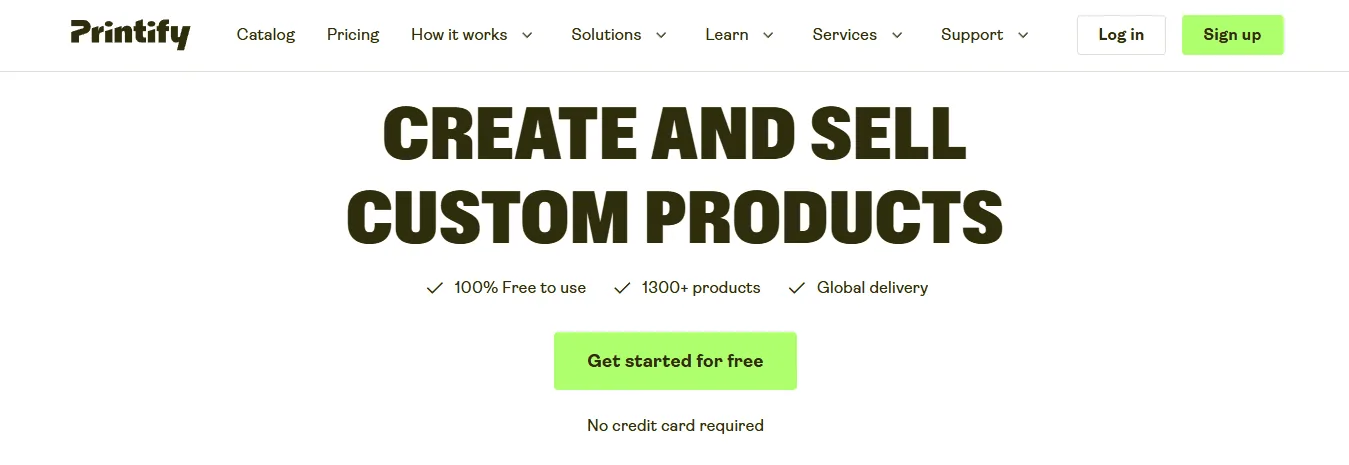
Printify wins on flexibility. Its supplier network lets you compare production costs, locations, and quality ratings before committing to a single provider, something Printful's centralized model cannot offer. According to the Customify Blog's 2025 comparison guide, Printify's Premium plan ($29/month) offers up to 20% discount on all products, making it the strongest margin play for high-volume sellers.
2. Best for Global Fulfillment Gelato
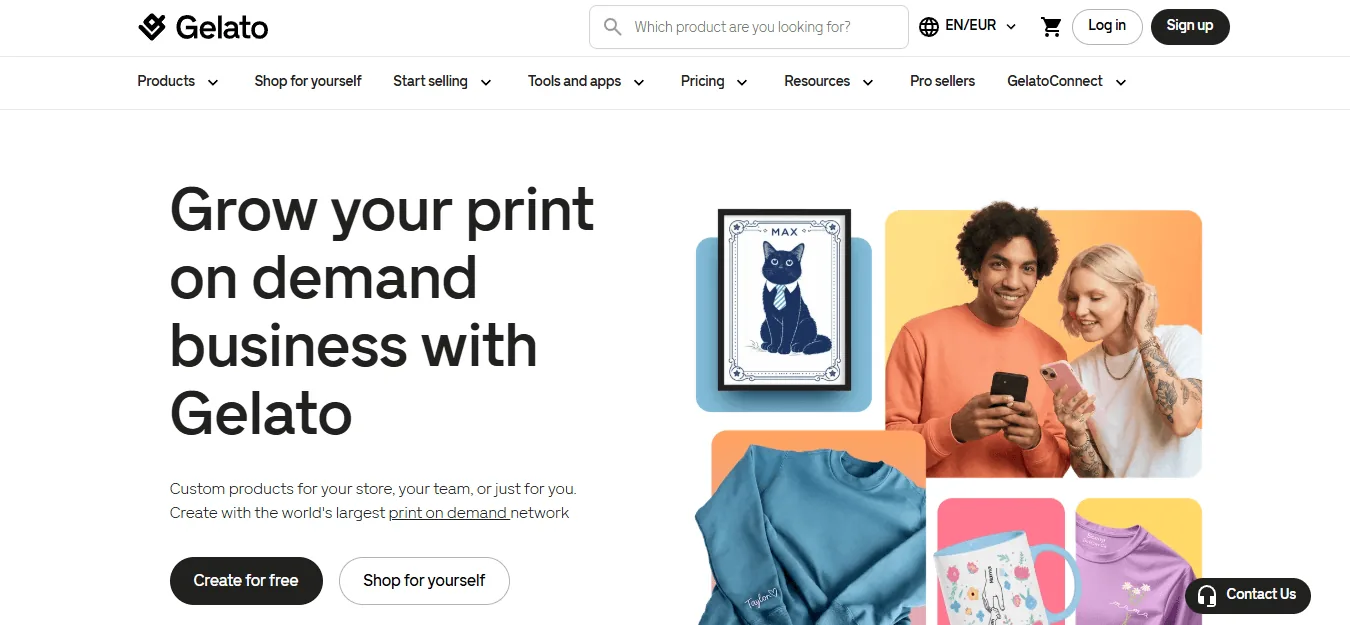
Distance is the main reason why international shipping fails. Gelato's production network spans more than 30 countries, so a customer in Germany receives a product made in Germany rather than one that crosses three borders and two customs checkpoints. For brands serving multiple regions, this difference in travel time determines whether customers return or request refunds.
3. Best for Premium Brands Apliiq
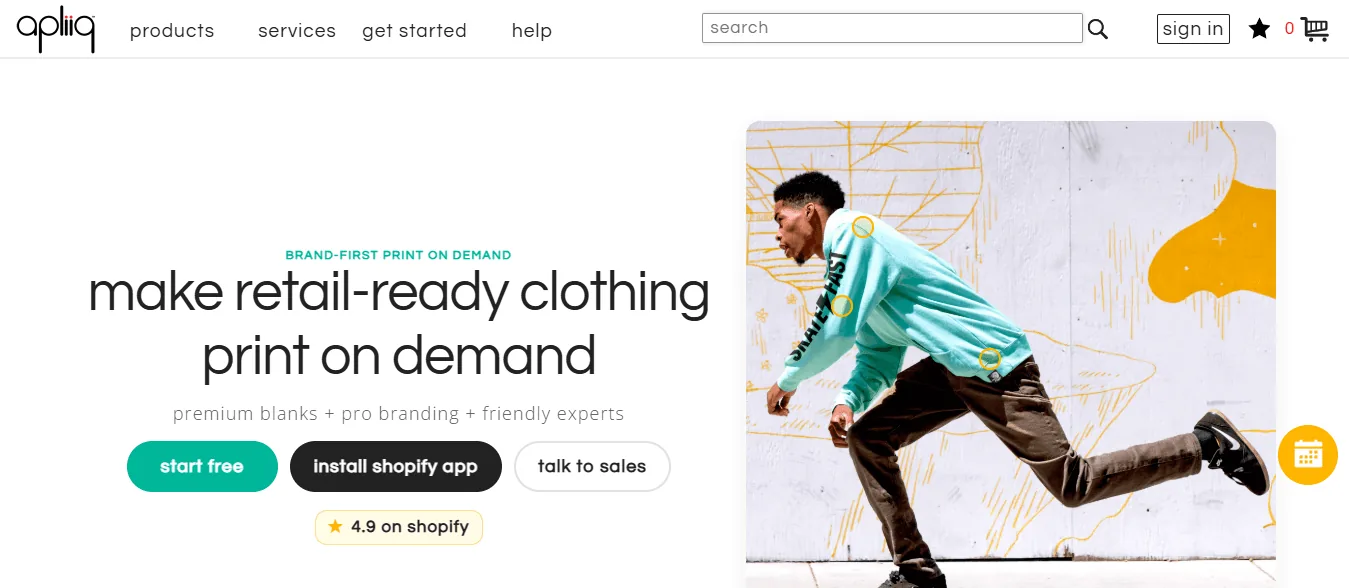
Apliiq offers woven labels, custom neck tags, embroidery, and private-label capabilities that give apparel the tactile detail customers associate with premium products. If your positioning depends on perceived quality rather than price, Apliiq builds that perception into the product.
4. Best for Etsy Sellers Gooten

Gooten's automated workflows and reliable marketplace integrations remove the manual order management ceiling for high-volume Etsy shops and multi-channel merchants. Sellers running multiple storefronts can scale without adding operational headcount.
5. Best for Artists and Creators Redbubble
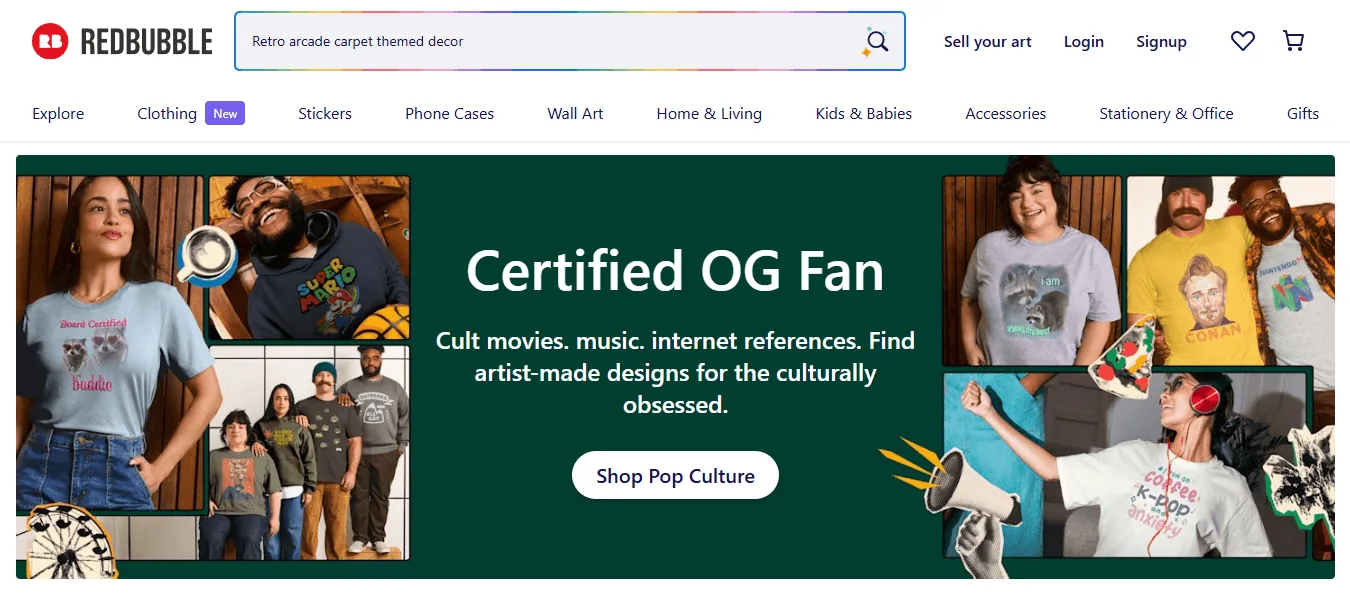
Most print-on-demand platforms assume you already have an audience. Redbubble's built-in marketplace gives illustrators and independent artists access to buyers actively searching for original designs, without requiring a separate Shopify store, ad spend, or SEO strategy. For creators wanting to monetize their work without building ecommerce infrastructure, this distinction matters enormously.
6. Best for Handmade Products Print Aura
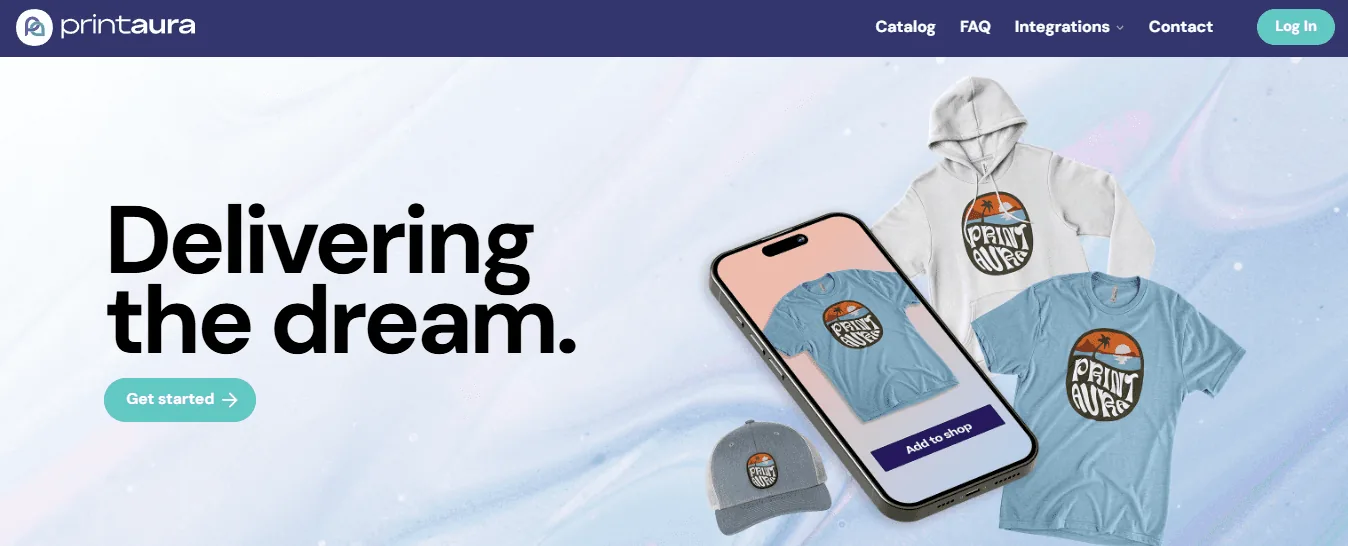
Print Aura's white-label shipping and custom packing slips let sellers control the unboxing experience, which is valuable for handmade or boutique positioning where packaging is part of the product story. Generic brown boxes undercut that narrative before customers see what's inside.
7. Best for High-End Apparel SPOD
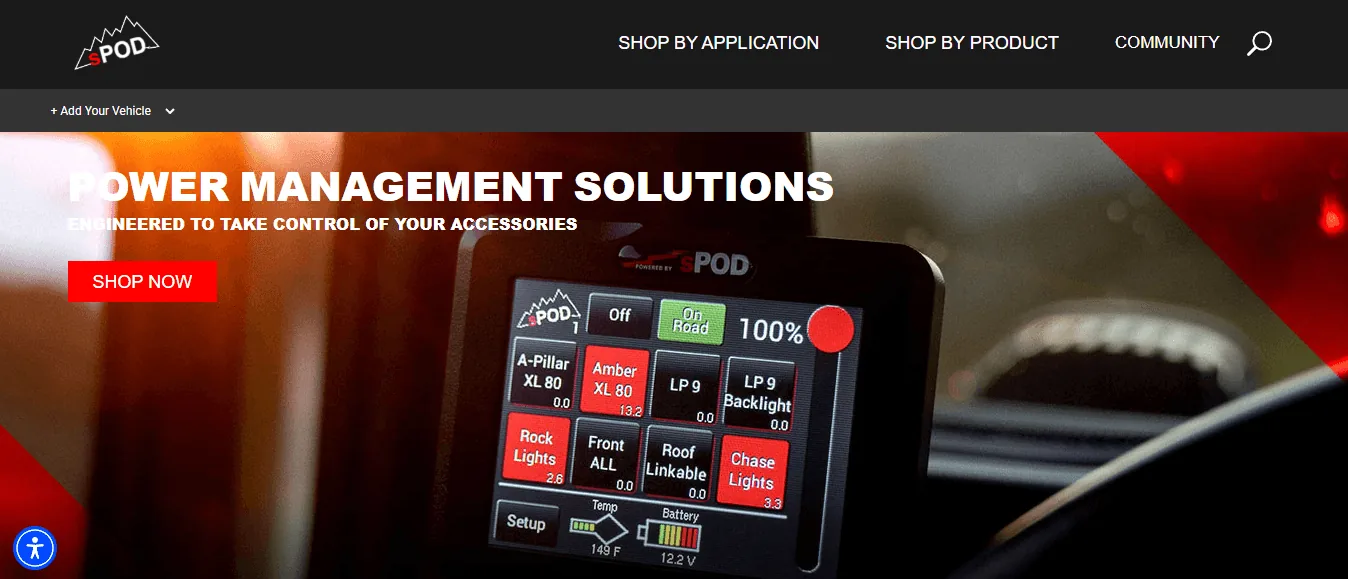
SPOD's 48-hour production window is a significant advantage for brands for which delivery time affects customer satisfaction, such as gifting, seasonal drops, or event merchandise. Owned by Spreadshirt, the platform has built its infrastructure around fast turnaround without sacrificing catalog depth. The listing itself, specifically the images, drives more conversions than fulfillment timelines. Most sellers rely on basic product mockups or flat-lay shots, but as catalogs grow and competition intensifies, these mockups cost sales. AI product photography platforms like Caspa generate studio-quality images and lifestyle content without a physical shoot, addressing visual quality alongside the fulfillment decision.
8. Best for Beginners Teespring (Spring)
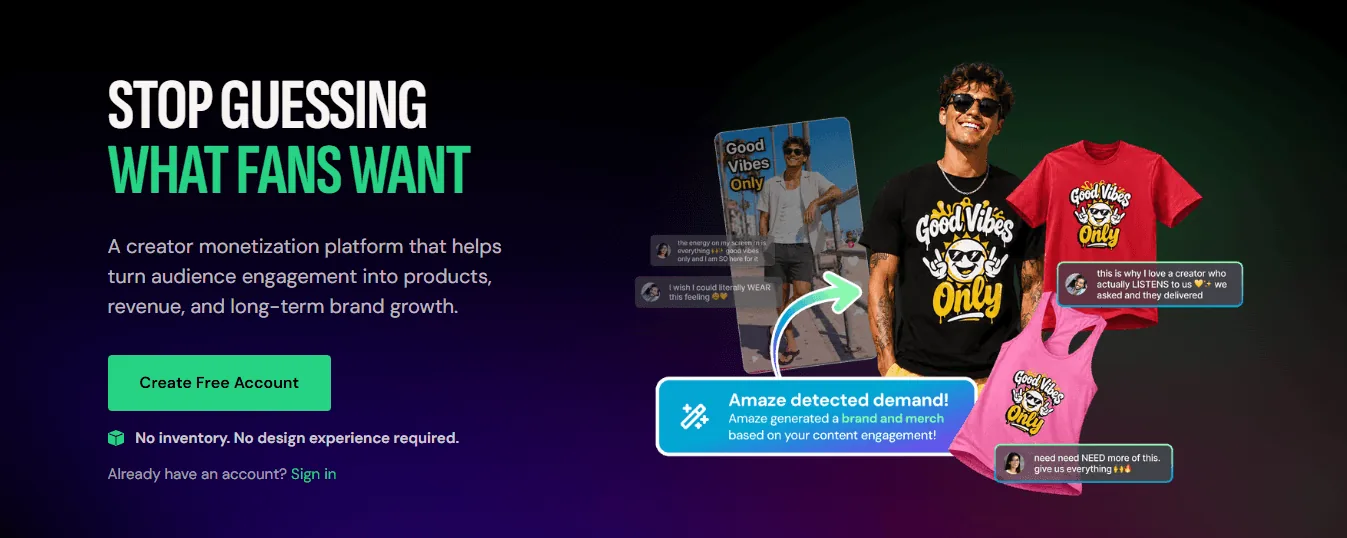
Spring's simple interface, social commerce integrations, and creator-focused tools make it the easiest way to enter the print-on-demand space. It works especially well for YouTubers and influencers who already have an audience and need a product to sell to them.
9. Best for Custom Packaging T-Pop
T-Pop operates from Europe with sustainability built into its core model: plastic-free packaging, eco-friendly production, and white-label shipping. This alignment between brand values and operations appeals to environmentally conscious customers and proves harder to fake than most sellers realize.
10. Best for Dropshipping Flexibility JetPrint
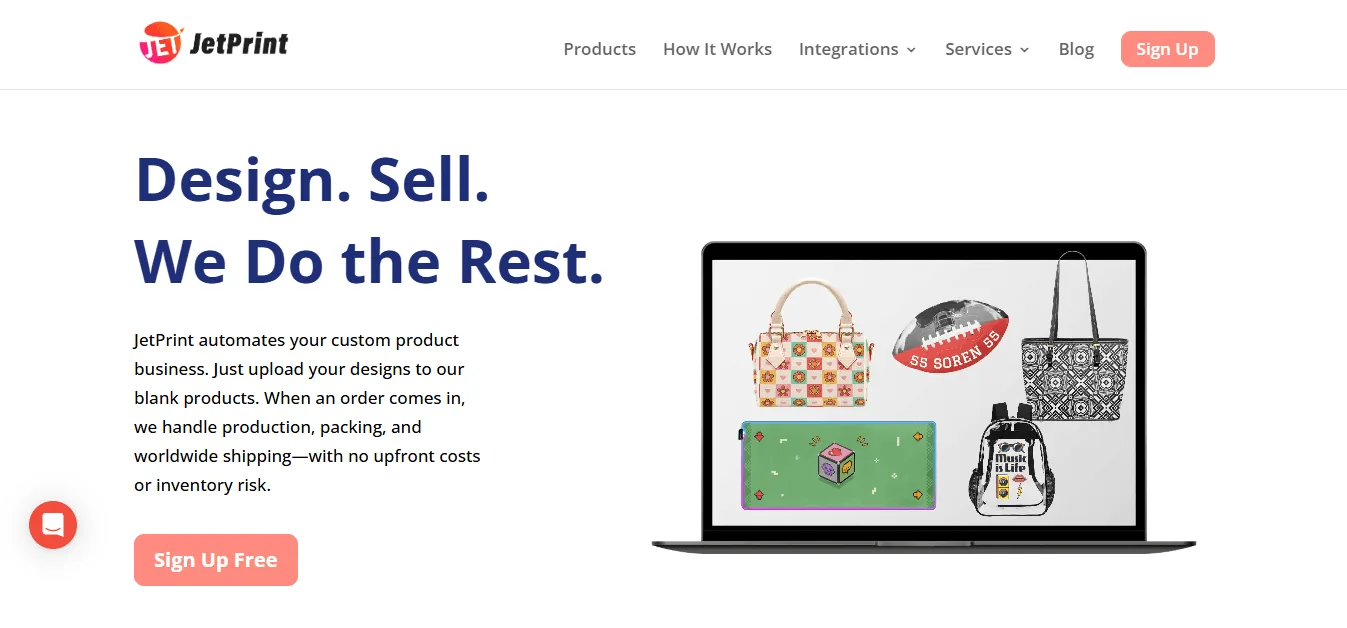
JetPrint fills a gap that other platforms ignore. Its catalog includes watches, shoes, and accessories that enable sellers to build product lines in categories where standing out is still possible. According to the Customify Blog's 2025 print-on-demand comparison, the print-on-demand market is projected to reach $39.4 billion by 2030, with significant growth from sellers who move into niche product categories rather than competing on standard apparel alone.
No Platform Is Universally Superior
Every platform makes deliberate tradeoffs. Gelato trades catalog depth for fulfillment speed. Redbubble trades margin control for audience access. Apliiq trades simplicity for branding depth. Recognizing these trade-offs distinguishes sellers who choose strategically from those who repeatedly switch platforms without improving results. The best platform removes the specific constraint holding your business back right now: whether cost per unit, shipping time, branding capability, or marketplace exposure. But once you solve the fulfillment problem, the next constraint is one that platform comparisons rarely address.
Related Reading
- How To Sell On Amazon
- Printful Vs Printify
- Shopify Vs Woocommerce
- Ai For Product Photos
- Ai Generated Product Images
- Ai Product Photo Generator
- Amazon Vs Shopify
- Ai Product Video Generator
- Ai For Ecommerce
- Ai Clothing Model
- Shopify Vs Bigcommerce
- Printful Review
- Shopify Vs Amazon
- Ai Model For Clothing
- Ai Product Video
- Ai Fashion Model
- Printful Pricing
- Best Amazon Seller Tools
Fast-Growing Brands Compete on More Than Fulfillment
Solving fulfillment gets you to the starting line, not the finish.

Across print-on-demand businesses using Printify, Gelato, SPOD, or Gooten, two stores with identical suppliers, similar catalogs, and comparable shipping speeds often produce different revenue outcomes. The variable is rarely the supplier—it's how the brand positions, presents, and markets what it sells. Fulfillment gets the product to the door. Everything before that moment determines whether someone buys.
What separates stores people remember from stores people forget
Positioning is where the real work begins. A store selling graphic tees centered on a specific cultural identity, a running community, or a sustainability ethos gives customers a reason to choose it over generic alternatives. That emotional specificity justifies higher prices, drives repeat purchases, and builds word-of-mouth that paid ads cannot replicate. Two stores can source the same hoodie from the same print-on-demand partner and reach completely different audiences because one gave customers something to believe in.
How does consistent branding reduce friction in buying decisions?
Branding combines elements that position a brand for recognition. Consistent logos, color choices, tone of voice, and packaging teach customers to recognise a brand before reading the product name. This recognition simplifies buying decisions. Familiar brands encourage faster purchases, inspire greater trust in quality, and drive repeat business without requiring discounts.
How do fast-growing brands cut product photography costs without losing quality?
Most brands handle product photography traditionally: hire a photographer, coordinate a shoot, wait on edits, and repeat for each product launch. At scale, this costs thousands per cycle and delays new listings. Product photography platforms like Caspa generate studio-quality lifestyle images and infographics using AI, eliminating physical shoots, reducing production costs by up to 10x, and maintaining the visual consistency that builds trust. According to SuperbCrew, customers expect 2-3 day delivery as standard. The fastest-growing brands in 2025, tracked by Facteus, win through sharper positioning, stronger visuals, smarter conversion optimization, and demand-generating marketing. Traffic is expensive; conversion rates determine whether it becomes profit or overhead.
Strong Ecommerce Brands Win Through Better Product Presentation
Strong ecommerce brands stand out by controlling how their products look and feel to customers. The difference between a product that someone scrolls past and one that gets added to a cart is almost always about how it looks — this is the part of selling that many sellers don't spend enough time on.
"The difference between a product that gets scrolled past and one that gets added to a cart is almost always about how it looks — presentation is the silent salesperson working 24/7."
🎯 Key Point: Product presentation isn't a finishing touch — it's a core competitive advantage that separates high-converting brands from sellers who wonder why traffic doesn't turn into revenue.
💡 Tip: Audit your product visuals, descriptions, and layout before investing more in ads. Better presentation consistently delivers a stronger return than simply driving more traffic to an underperforming listing.
| Presentation Factor | Scrolled Past | Added to Cart |
|---|---|---|
| Product Images | Low quality, single angle | High quality, multiple angles |
| Brand Consistency | Inconsistent or generic | Cohesive and recognizable |
| Product Copy | Vague or missing details | Clear, benefit-driven language |
| Visual Identity | No distinct style | Strong, memorable aesthetic |

What customers actually respond to
According to Salsify's 2025 ecommerce research, 87% of shoppers say product content is extremely important when deciding to buy. Product images convince people to purchase more than price, reviews, or shipping promises. Two stores selling the same custom hoodie through the same print-on-demand network can generate vastly different revenue based solely on how that hoodie is photographed.
What does complete product content actually include?
Brands with complete product content see up to 30% higher conversion rates. "Complete" means images that answer every unspoken buyer question: How does it fit? What does the texture look like? Does this belong in my life? Lifestyle photography, close-up detail shots, and on-model imagery each resolve a different layer of buyer hesitation.
Why does production speed become the real bottleneck?
Most ecommerce teams follow a familiar cycle: hire a photographer, ship samples, wait two weeks, pay for editing, repeat seasonally. This breaks down when running five product lines, testing ad creatives weekly, and refreshing visuals for holiday campaigns on three-day runways. The bottleneck is production speed. Platforms like Caspa generate studio-quality product images and lifestyle visuals with AI human models, cutting production costs by up to 10x and compressing weeks into hours.
The return problem nobody budgets for
The failure point most brands miss is after the sale. Research from HubSpot's marketing statistics shows that 22% of online product returns are due to items looking different in person than in photos. Returns signal that your visuals made a promise the product could not keep. The solution is more accurate, detailed imagery that sets honest expectations while remaining compelling.
Why does visual consistency shorten the path to repeat purchase?
A consistent visual identity builds over time. When every product image shares the same lighting, color temperature, and style, the store feels like a brand rather than a catalog. Customers remember that feeling even if they cannot name it, which makes them more likely to buy again and improves paid ad performance.
What separates winning stores from competitors in terms of visual credibility?
The brands winning on Shopify, Etsy, and Amazon are those whose products look magazine-worthy, while competitors appear as ordinary screenshots. This visual credibility, earned through intentional presentation and built systematically, creates leverage that becomes difficult to ignore.
How Caspa Helps Ecommerce Brands Create Better Product Visuals
Choosing the right print-on-demand supplier solves only part of the ecommerce equation. Customers buy based on what they see: product photography, branding, and visual consistency often have a bigger impact on conversions than the supplier itself.
"Product photography, branding, and visual consistency often have a bigger impact on conversions than the supplier itself."
💡 Tip: Before optimizing your supplier pipeline, audit your product visuals first. They're the biggest lever for improving conversion rates.
Caspa helps ecommerce brands create professional-quality product visuals without photographers, models, and separate editing tools. Our platform brings photography and editing into one unified workflow — saving brands significant time and resources.
🎯 Key Point: With Caspa, there's no need to juggle multiple tools — photography, editing, and branding are handled in a single platform.
| Traditional Approach | With Caspa |
|---|---|
| Hire photographers | AI-powered visuals |
| Book models | No models needed |
| Use separate editing tools | All-in-one workflow |
| High cost & time | Faster, more affordable |
How does Caspa generate studio-quality product images?
Its AI product photography abilities create realistic, studio-quality images. Whether launching new products or refreshing listings, brands can create polished visuals without traditional photoshoots. Caspa supports human models for lifestyle images that help customers visualize products in real-world settings, making them feel more relatable and premium.
How does Caspa simplify editing existing product photos?
For existing photos, Caspa simplifies editing through background removal, image upscaling, and enhancement, improving quality and consistency without specialized design skills. Brands can create custom stock images that match their style rather than using generic visuals used by competitors, making it easier to build a recognizable identity across websites, ads, and social media.
How does an all-in-one workflow reduce creative costs?
Caspa gives you a complete studio workflow in one place, eliminating the need to switch between editing platforms, stock photo libraries, freelancers, and photographers. The result is faster content production, lower creative costs, and more opportunities to test different images and marketing campaigns. In ecommerce, the supplier fulfills the product, but visuals are what customers experience first.
Get Product Photos that Increase Your Sales Today
Switching print-on-demand platforms helps your profits, but professional visuals drive conversions. Product photography is where real sales growth happens. Our AI-powered solution transforms basic product photos into stunning lifestyle imagery that converts browsers into buyers.
Caspa transforms existing product photos into professional lifestyle images and branded visuals without a photographer, studio, or lengthy production timelines. Brands using Caspa see up to 40% more conversions and cut production costs by up to 10x. Your listings perform at the level your imagery earns.
Related Reading
- Ai Product Video Maker
- Ecommerce Product Video
- Redbubble Vs Printful
- Printify Vs Gelato
- Merch On Demand
- Amazon Ai Tools
- T-shirt Mockup Ai
- Flat Lay Product Photography
- Amazon Merch On Demand
- Teespring Alternatives
- Ai Clothing Mockup Generator
- Placeit Pricing
- Luxury Product Photography
- Ai Clothing Model Generator
- Placeit Alternative
- Teespring Vs Printful
- Ai Fashion Model Generator
- Advertising Product Photography
- Ai Product Photo Editor
- Printful Vs Gelato
- Best Background For Product Photography